

How X-Nav and X-Guide Click Signals Shape Your Rankings in Google Core Updates

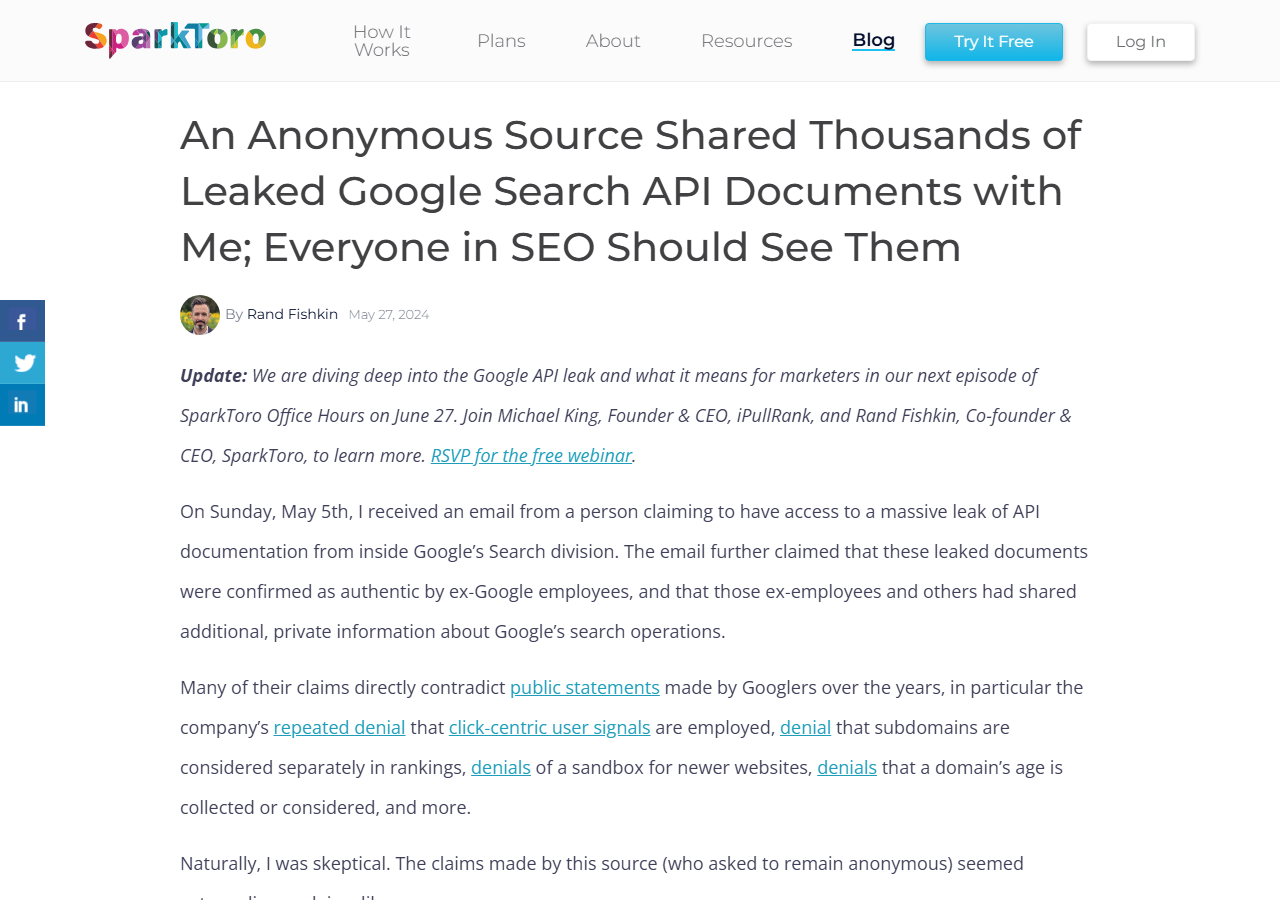
X-Nav and X-Guide are internal Google systems that translate user click behavior into ranking signals, forming the core of what’s known as Navboost. When someone clicks a search result, returns quickly, or refines their query, Google interprets those patterns as quality signals, essentially crowdsourcing relevance judgments from billions of real interactions. The May 2024 Google Content Warehouse API leak confirmed that click metrics, dwell time, and navigation patterns directly influence which pages surface for future queries, making user satisfaction measurable and algorithmic. This matters because traditional SEO factors like backlinks and content depth now operate alongside behavioral data: a technically perfect page that fails to satisfy searchers will lose ground to less-polished competitors that keep users engaged. Since 2022, these click signals have been integrated with helpful content signals in every core update, meaning Google prioritizes pages that demonstrate genuine utility through sustained engagement. Understanding X-Nav and X-Guide shifts strategy from pure content optimization to designing experiences that earn clicks, minimize pogo-sticking, and generate natural return visits, metrics Google watches continuously to refine rankings in near real-time.
What X-Nav and X-Guide Actually Mean
Here’s the thing. X-Nav refers to cross-navigation signals that Google tracks when users click a result, return to the search page, then select a different result. This behavior pattern reveals which pages satisfied the query and which didn’t, creating a relative quality signal between competing results (the leak names the attribute but doesn’t quantify the weight). When someone clicks your page but immediately bounces back to refine their search, Google interprets that as a negative signal compared to the page they ultimately stayed on.
Quick vocabulary
- Navboost
- Google’s reranking layer that adjusts results based on aggregated user click behavior. Confirmed by name in DOJ antitrust testimony and the 2024 API leak.
- X-Nav
- Within-SERP navigation signals, which result a user clicked, abandoned, or returned to during a single search session.
- X-Guide
- Cross-session signals that track which domains users return to across related queries, building domain-level trust over time.
- Last longest click
- The result a user stayed on before abandoning the search session entirely. Treated as the strongest single satisfaction signal.
- Pogo-sticking
- Rapid clicks through multiple results in succession, each abandoned within seconds. Signals widespread dissatisfaction with the SERP.
- Dwell time
- How long users spend on a page before returning to results. Short visits suggest mismatch; longer engagement suggests partial relevance.
X-Guide captures the broader user guidance patterns across sessions and queries. Google observes which domains users trust for specific topics, how deep they navigate into a site, and whether they return to that source for related searches. This builds domain-level authority signals that extend beyond individual page performance.
Both differ fundamentally from traditional click-through rate metrics. CTR measures only whether users clicked your result in isolation. X-Nav and X-Guide measure what happened after the click and across multiple interactions. In most cases, a page with modest CTR but strong retention and cross-query loyalty can outrank a high-CTR page that consistently disappoints searchers.
The 2024 Content Warehouse leak didn’t reveal that clicks matter, SEOs have argued that for years. It revealed that Google has been measuring them at a granularity most practitioners assumed was impossible.
These signals power Navboost, Google’s ranking system that weights search results based on aggregated user behavior. The system doesn’t just count clicks; it evaluates the quality and context of those clicks. A single satisfied user who explores your content deeply carries more weight than ten users who bounce immediately.
For practitioners, this means optimization extends beyond earning the click. You need to deliver on the implicit promise your title and description make, keep users engaged, and build trust that brings them back across future searches.
How Navboost Uses Click Signals to Rerank Results
The Three Click Signals That Matter Most
Google’s Navboost relies on three primary click signals to adjust rankings. Each reveals something distinct about user satisfaction, and though Google has never confirmed the exact weights publicly, the leaked documentation and DOJ testimony together make their relative importance unmistakable.
| Signal | What it measures | What it tells Google | Signal weight |
|---|---|---|---|
| Last longest click | Which result the user stayed on before abandoning the search session | The page resolved the query; the user stopped searching | Strongest single signal |
| Dwell time | Duration on page before returning to results | Partial relevance versus immediate mismatch | Aggregated, not per-session |
| Pogo-sticking | Rapid clicks through multiple results in succession | Widespread SERP dissatisfaction; the page that stops the cycle wins | Demotes losers, lifts the stopper |
Last longest click measures which result a user stayed on after abandoning their search session. When someone clicks a result and doesn’t return to Google, that page likely satisfied their query. Navboost interprets this as a strong quality signal and may boost that URL for similar future queries. The duration matters less than the finality, did the user stop searching?
Dwell time patterns track how long users spend on a page before returning to results. Short visits followed by immediate bounces suggest the content didn’t match intent or failed to deliver value. Longer engagement before returning indicates partial relevance, the page offered something useful but didn’t fully resolve the query. Aggregated across thousands of users, not individual sessions. Navboost adjusts rankings based on those aggregated dwell patterns rather than anything you can read off a single visit in your own analytics.
Note
Dwell time isn’t measured per session at the ranking layer, it’s aggregated. A single user closing the tab after 12 seconds tells Google nothing. Ten thousand users averaging 12 seconds across the same query tells Google plenty. This is why optimizing for “average time on page” in your own analytics is a poor proxy for what Navboost actually sees.
Look, pogo-sticking behavior occurs when users rapidly click multiple results in sequence, bouncing back to Google after each. This pattern signals widespread dissatisfaction with available options. Pages that consistently trigger pogo-sticking may see ranking demotions, while results that stop the cycle, where users finally settle, gain positive weight. The velocity and repetition distinguish pogo-sticking from normal comparison shopping.
Together, these signals form a feedback loop. Navboost doesn’t guess at relevance, it observes real behavior, then redistributes visibility accordingly. Understanding this mechanism helps explain why technically sound pages sometimes underperform: user actions override traditional ranking factors when the data accumulates.
Why Core Updates Amplify These Signals
Core updates don’t introduce new signals, they recalibrate how heavily existing ones count. When Google rolls out a core update, Navboost’s weighting of historical click patterns often shifts significantly. Pages that accumulated weak X-Nav or X-Guide signals over months may suddenly drop as Google applies stricter thresholds for click satisfaction. Conversely, pages with strong, consistent engagement metrics can jump in visibility when the algorithm increases reliance on user behavior data versus other factors like link equity or content freshness.
This timing connection explains why ranking volatility clusters around core releases: the update doesn’t change what users clicked yesterday, but it does change how much yesterday’s clicks matter today. Sites that lose traffic often exhibited borderline engagement signals that no longer clear the recalibrated bar, or more accurately, signals that were clearing a softer bar that the update tightened, while winners demonstrated clear user preference patterns that now carry more algorithmic weight.
Watch for
If your ranking drop coincides with a confirmed core update and your technical SEO is clean, the suspect is almost always the engagement layer. Pull the affected URLs’ GSC click-through and average-position data from the 90 days before the update, that’s the data window Navboost was likely re-weighting, and it’s the only signal feedback loop you can read without access to Google’s logs.
What X-Nav and X-Guide Look Like in Real Search Behavior
When someone searches “best running shoes,” clicks the third result, stays two minutes, then returns to search again, they’re guiding Google. That second search, often a refinement like “best running shoes for flat feet”, signals the first answer missed the mark. Google calls this pattern an X-Nav query: navigation away from unsatisfying results toward better ones.
Good click patterns look purposeful. A user clicks result two, spends five minutes on-page, doesn’t return to search. That dwell time and lack of pogo-sticking tells Google the page delivered. Poor patterns show hesitation: rapid clicks through positions one, three, and five in succession, each abandoned within seconds. These bounces hurt the clicked pages and elevate unclicked competitors by comparison.
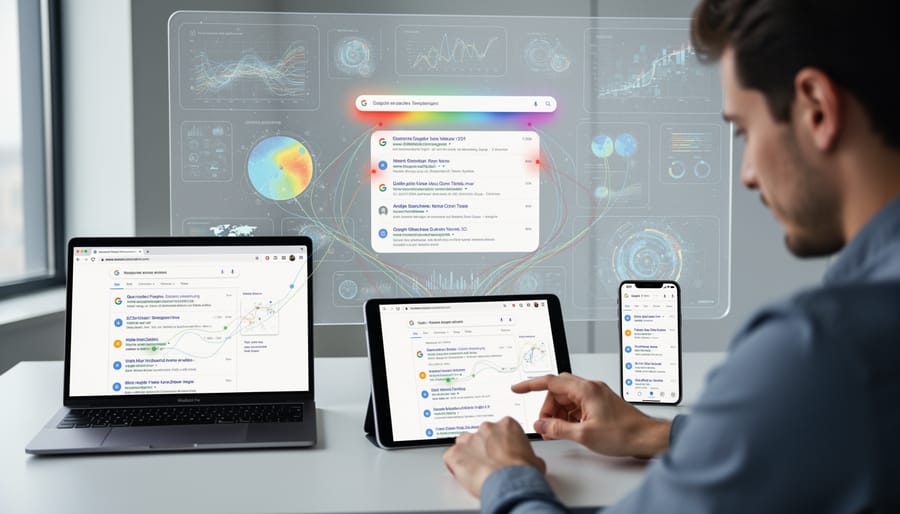
How a satisfying X-Nav sequence unfolds
X-Guide queries work differently, they’re follow-up searches that expand or narrow intent. Someone searches “Python tutorials,” scans results, then searches “Python for data analysis.” The second query guides Google toward the user’s true need. The engine tracks these chains, learning which initial results prompted useful refinements versus frustrated ones.
Google aggregates millions of these micro-decisions. Pages that consistently satisfy searchers climb; pages that trigger immediate refinements or competitive clicks drop during core updates. The algorithm doesn’t read your content directly, it reads collective behavior. A page ranking fourth that earns more engaged clicks than position one will eventually swap places.
How to Optimize for Click Signals Without Gaming the System
Match Promise to Delivery (Title and Meta Tactics)
Your title and meta description set expectations. When users arrive and find exactly what those snippets promised, no more, no less, they stay, engage, and signal satisfaction to Google. Misalignment triggers the back button. Every time.
Write titles that describe the content’s actual scope and depth. If your page offers a beginner overview, say so. If it’s a technical deep-dive with code samples, signal that. Vague titles like “Everything You Need to Know” attract broad, mismatched traffic that bounces quickly.
Pro tip
Use meta descriptions to filter clicks, not maximize them. Specifying format (guide, case study, tool comparison), level (introductory, intermediate), and outcome (understand a concept, implement a tactic) repels the wrong clickers. Filtered traffic improves last-longest-click rates by raising the floor on intent match, not by chasing CTR.
Test whether your titles answer the implicit question behind the search query. Someone searching “Navboost ranking factors” likely wants mechanics and evidence, not philosophical musings. Deliver what the query implies, and last longest click metrics improve organically because the right people clicked in the first place.

Structure Content So Users Stop Searching
Navboost interprets structure as a proxy for usefulness. Place direct answers within the first 100–200 words, ideally under a clear heading that mirrors the user’s query. Use short paragraphs (2–3 sentences max), descriptive subheadings, and bulleted lists to make answers instantly scannable. When users stop bouncing and spend time on-page without returning to search results, Google reads that as satisfaction.
Front-load definitions and mechanics before diving into nuance. If someone searches “what is Navboost,” don’t bury the answer in paragraph three. Lead with “Navboost is Google’s click-and-interaction logging system that adjusts rankings based on real user behavior,” then layer in detail. This pattern aligns with how E-E-A-T signals operate, demonstrating expertise by respecting the user’s time.
Use formatting to guide attention: bolded key terms, numbered steps for processes, and summary boxes for takeaways. The goal is clarity fast enough that users close the tab satisfied, not frustrated enough to search again.
Why This Matters for Link Building and SEO Strategy
When Google’s Click Signals and Navboost systems evaluate whether users found a page helpful, they’re measuring real behavior, not guessing. That measurement starts the moment a user clicks your link. If your anchor text promises one thing but the destination delivers another, users bounce back to the search results, sending a negative signal that, in my experience, can erode rankings over time (though Google has never confirmed this explicitly at the link level).
This is where link strategy intersects directly with user intent. Anchor text isn’t just for relevance signals anymore, it sets expectations. When those expectations align with what users actually need, click-through rates rise and dwell time increases. Both feed positive navigation signals into Google’s algorithms. When they don’t, even a technically strong backlink from a high-authority domain can become a liability.
Living Links Technology addresses the mismatch problem that static links can’t solve. User behavior evolves. Search intent shifts. A link placed six months ago might anchor to content that no longer matches what people expect when they click. With post-placement optimization, you can adjust anchor text, surrounding context, or even the destination URL when click patterns reveal an intent disconnect, without asking the publisher to manually update the page.
Transparent link metrics make this possible. When you can see click-through rates, bounce signals, and engagement depth for individual link placements, you’re not guessing which links drive value. You’re measuring it. That visibility helps you predict which new placements will generate positive navigation signals before you commit resources, and it shows you exactly where existing links need refinement. In a post-core-update landscape where what actually works now depends on user satisfaction, links that adapt to intent changes consistently outperform static placements.
Putting Click-Signal Strategy to Work
Google’s core updates have consistently moved toward rewarding sites that earn genuine user engagement rather than those gaming signals through technical tricks. NavBoost and similar click-signal systems measure real satisfaction, time on page, return visits, click-through patterns, to surface content that actually meets searcher intent.
✓
Worth the effort for
- ›Pages that rank in positions 4–10 with weak CTR or dwell signals
- ›Cornerstone content where intent match drives the funnel
- ›Sites recovering from a core-update demotion
- ›Link placements where anchor and destination drift over time
- ›Topic clusters competing against established domain authority
✗
Skip it for
- ›Brand-new pages with no impression history yet
- ›Pages below the volume threshold where clicks don’t aggregate
- ›Sites still bleeding from technical or indexation issues
- ›Short-term campaigns measured in weeks, not quarters
- ›Cases where AI Overview or featured-snippet capture is the real lever
As these algorithms grow more sophisticated, the gap widens between sites that optimize for humans and those chasing shortcuts. For link builders and SEOs, this means one shift in priority: build links on pages that solve problems clearly enough that visitors stay, explore, and return. The strongest ranking signal is a user who got what they came for and chose to engage further. Focus acquisition efforts on placements where your content genuinely fits the context and audience need, because alignment drives the click behavior Google now measures at scale.
Try it this week
Audit one page for click-signal alignment before the next core update lands.
-
1
Open GSC. Pick one URL ranking in positions 4–10 with at least 90 days of click history and a CTR below the position’s expected baseline. -
2
Open the page in an incognito window. Read only the title, meta, and first 200 words. Ask: does this answer the top query, or does it set up an answer three scrolls down? -
3
Rewrite the title to filter the click and the lede to deliver the answer. Republish, then track 60 days of CTR and average position.
One page at a time builds the muscle. By the time the next core update hits, you’ll know which of your URLs sit on the right side of the recalibration.
Related guides
- How Google’s Three Update Types Work Together, Why core, spam, and helpful-content updates filter your site through different lenses.
- How E-E-A-T Signals Actually Shape Core Updates, The expertise, experience, authority, and trust signals that pair with click data in every reranking pass.

