

How to Spot Topic-Relevant Expired Domains Before Your Competitors Do

Expired domains are a competitive market. By the time a name with real backlinks hits the public auction houses, dozens of buyers are already watching it, and the ones who win consistently aren’t the ones with the biggest budgets (the auction houses know this, they price accordingly). They’re the ones who decided whether a domain is worth chasing before anyone else even saw it on a list. This guide walks through the discovery pipeline that surfaces topically relevant expired domains early: where to look, what filters actually predict value, and how to read a backlink profile fast enough to bid (or pass) before the auction closes.
Why Most Expired Domains Fail the Relevance Test
Most expired domains carry baggage. A domain that hosted a photography blog in 2015, pivoted to cryptocurrency news in 2018, then became a generic link farm fails the relevance test immediately. Search engines track this topic drift, and in most cases scattered backlink profiles signal instability rather than authority. Not authority at all. Just noise wearing a DR badge.
Quick vocabulary
- Expired domain
- A registered domain whose owner failed to renew, releasing it back into the registry’s deletion cycle where it becomes available for re-registration or auction.
- Drop-catch
- The race to register a domain the instant the registry releases it. Services like SnapNames and DropCatch run automated systems competing for the same names.
- Topical authority
- Trust earned by consistent content and backlinks within a single subject area, as opposed to scattered links across unrelated niches.
- Topic drift
- When a domain’s content theme shifts across ownership changes, gardening to crypto to insurance, destroying the coherence of its backlink profile.
- Anchor profile
- The distribution of anchor text across a domain’s inbound links. Natural profiles cluster on branded and topical phrases; manipulated profiles cluster on exact-match commercial keywords.
The core problem: these domains accumulate links from dozens of unrelated niches over multiple ownership cycles. A travel site with backlinks from insurance blogs, gaming forums, and pharmaceutical directories holds no coherent topical signal. Google’s algorithms now reward thematic consistency across your backlink profile, treating irrelevant inbound links as noise that dilutes rather than amplifies authority.
Honestly, many expired domains were built purely for manipulation. Previous owners chased easy backlinks through comment spam, directory submissions, or paid link schemes, creating profiles that trigger algorithmic penalties. Even legitimate domains suffer when sold repeatedly to unrelated businesses, each new owner layering a fresh topic onto mismatched link equity. On a recent batch I shortlisted 20 candidates, well, 14 after the Wayback pass, and only 3 of those survived the backlink audit.
A domain about vintage watches needs backlinks from horology sites and collector forums, not random blog networks or off-topic press releases.
Search engines evaluate topical alignment at scale using semantic analysis and entity recognition. A domain about vintage watches needs backlinks from horology sites, jewelry retailers, and collector forums, not random blog networks or off-topic press releases. Misaligned links pass minimal value and may actively harm rankings if patterns suggest manipulation.
The relevance gap widens over time. A five-year-old expired domain likely changed hands, shifted focus, or sat parked with thin content while its backlink profile fossilized. You inherit this disconnect unless you audit rigorously. Identifying relevance failures early saves money and prevents wasted effort on domains that cannot support your topical goals, regardless of their raw metrics.
What Topical Relevance Actually Means for Expired Domains
Topical relevance isn’t about finding domains with your keyword in the URL. It means the domain’s historical content, backlink profile, and linking context align semantically with your intended use. A domain that hosted cooking recipes won’t pass authority to a SaaS finance blog, even if both mention “budgeting.”
Start by examining what the domain actually published. Use the Wayback Machine to review archived pages and identify core themes. Next, analyze inbound anchor text patterns. Generic anchors like “click here” tell you nothing, but descriptive phrases reveal how other sites contextualized the domain. Then audit the linking sites themselves: do they operate in related niches, or are they random link farms?
Pro tip
Treat the three relevance layers, historical content, anchor distribution, linking sites, as a sequential filter, not parallel checks. If content fails, skip the backlink audit entirely. Most candidates die at layer one, which is why pipelines that score every metric in parallel waste so much time on domains that were never going to qualify.
Deep relevance, I’d argue, requires semantic overlap across all three layers. A domain about organic gardening that earned links from sustainability blogs, urban farming forums, and permaculture guides carries genuine topical authority for related environmental content. Surface-level matches fail this test. A domain mentioning “cloud” once doesn’t qualify for cloud computing content if its backlinks come from weather enthusiasts.
Apply your niche research framework to map conceptual relationships. Look for shared terminology, overlapping subtopics, and common audience concerns between the domain’s history and your target niche. Google’s algorithm understands semantic connections through entity relationships and co-occurrence patterns, so your vetting process should mirror that logic. Prioritize domains where the match feels obvious to a human reviewer, not just a keyword checker.

Where to Find Domains About to Expire
Auction Platforms and Drop-Catch Services
GoDaddy Auctions, NameJet, SnapNames, and DropCatch are the four largest platforms aggregating domains entering the deletion cycle. Each runs its own daily auctions and backorder services, competing to register domains the moment they’re released by registries.
| Marketplace | Inventory model | Best for | Trade-off |
|---|---|---|---|
| ExpiredDomains.net | Aggregated deletion lists across registries | Discovery, daily lists with backlink counts, Archive.org snapshot links, sortable filters | Free tier shows everyone the same list; you still have to bid through a registrar |
| GoDaddy Auctions | Live auctions on expiring GoDaddy-registered domains | Highest-volume pool; sortable by age, bid count, traffic estimates | Competitive bidding drives prices up on anything with visible metrics |
| NameJet | Backorder + auction across multiple registrars | Earlier visibility on names not yet released; backorder counts show competitive interest | Pay-to-play backorders for higher-value names |
| SnapNames | Drop-catch on a wide registrar pool | Catching domains released by smaller registrars NameJet doesn’t cover | Less interactive UI; quality varies day to day |
| DropCatch / Sav.com | High-volume drop-catch infrastructure | Competitive drops on premium .com names where catch-rate matters more than filters | Less editorial filtering; bring your own shortlist |
Look, GoDaddy Auctions provides sortable lists with domain age, bid count, and basic traffic estimates, useful for spotting competitive interest (I’ve lost more auctions there than I’ve won, and the bids that beat me were almost always last-90-seconds snipes from buyers who’d done the homework hours earlier). NameJet and SnapNames expose similar metrics plus backorder counts, signaling which domains others are pursuing. DropCatch offers streamlined filtering by extension and keyword patterns.
These platforms centralize discovery and let you filter by age (older usually means established link profiles), keyword relevance, and competitive signals like bid activity, turning raw deletion feeds into browsable inventories. Start by filtering for domains over five years old in your niche, then cross-reference traffic and backorder counts to prioritize manual vetting. Most platforms offer API access for bulk analysis if you’re working at scale.
Monitoring Tools Worth Using
Several specialized tools monitor domain lifecycle events and surface data that helps vet topical relevance before expiring domains hit auction. ExpiredDomains.net aggregates deletion lists, showing each domain’s backlink count, Archive.org snapshots, and basic metrics in sortable tables, useful for quickly filtering candidates by age and link profile.
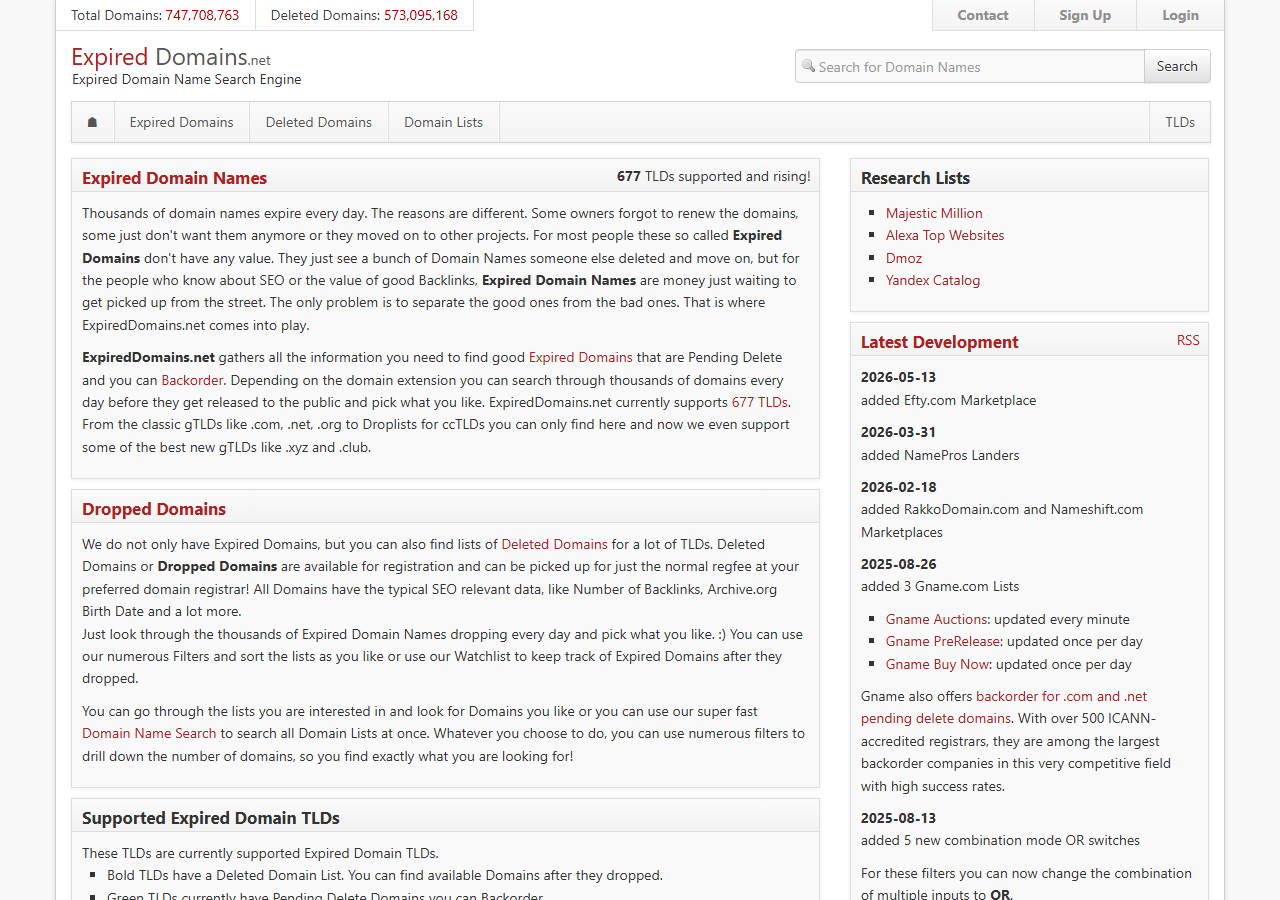
DomCop indexes expired and expiring domains with SEO metrics pre-calculated, letting you search by niche keyword or topic to find domains that actually match your content area. For deeper inspection, Ahrefs and Majestic APIs pull historical backlink data and anchor text distribution, revealing whether inbound links genuinely relate to your target topic or just spammy directories.
Watch for
Tool-reported “backlink count” is the laziest signal in the funnel. A domain with 500 backlinks from one spammy network is worth less than a domain with 30 backlinks from real editorial sites in your niche. Always click through to the referring-domain list before letting a high number bias your scoring.
Automated monitoring saves hours of manual checking and helps you spot relevant domains the moment they enter deletion queues. Built.co and DomainHunter.io add filtered alerts based on custom criteria like DR thresholds, specific TLDs, or topical keywords, so you only review domains worth your time.
The Discovery Pipeline: From Auction Feed to Bid Decision
The difference between buyers who consistently win topically relevant domains and buyers who overspend on disappointments is process, not budget. The same four-stage pipeline scales from one candidate a week to a hundred a day.
Discovery pipeline
Each stage is a filter, not a checklist. For most teams, around 90% of candidates die at Step 2, content drift, parked years, or a niche mismatch you can see in 30 seconds of Wayback scrolling. The few that survive into Step 3 deserve real backlink time. And the handful that survive into Step 4 deserve a bid ceiling decided ahead of the auction, not in the heat of one.
Vetting Topical Relevance: The Core Checklist
Analyze Historical Content and Topic Drift
The Wayback Machine is your primary tool for reconstructing a domain’s content timeline. Enter the expiring domain into archive.org and scan snapshots across multiple years, looking for thematic consistency. A domain that published gardening advice for seven years carries genuine topical authority; one that pivoted from insurance to crypto to pet supplies every eighteen months has zero retained relevance.
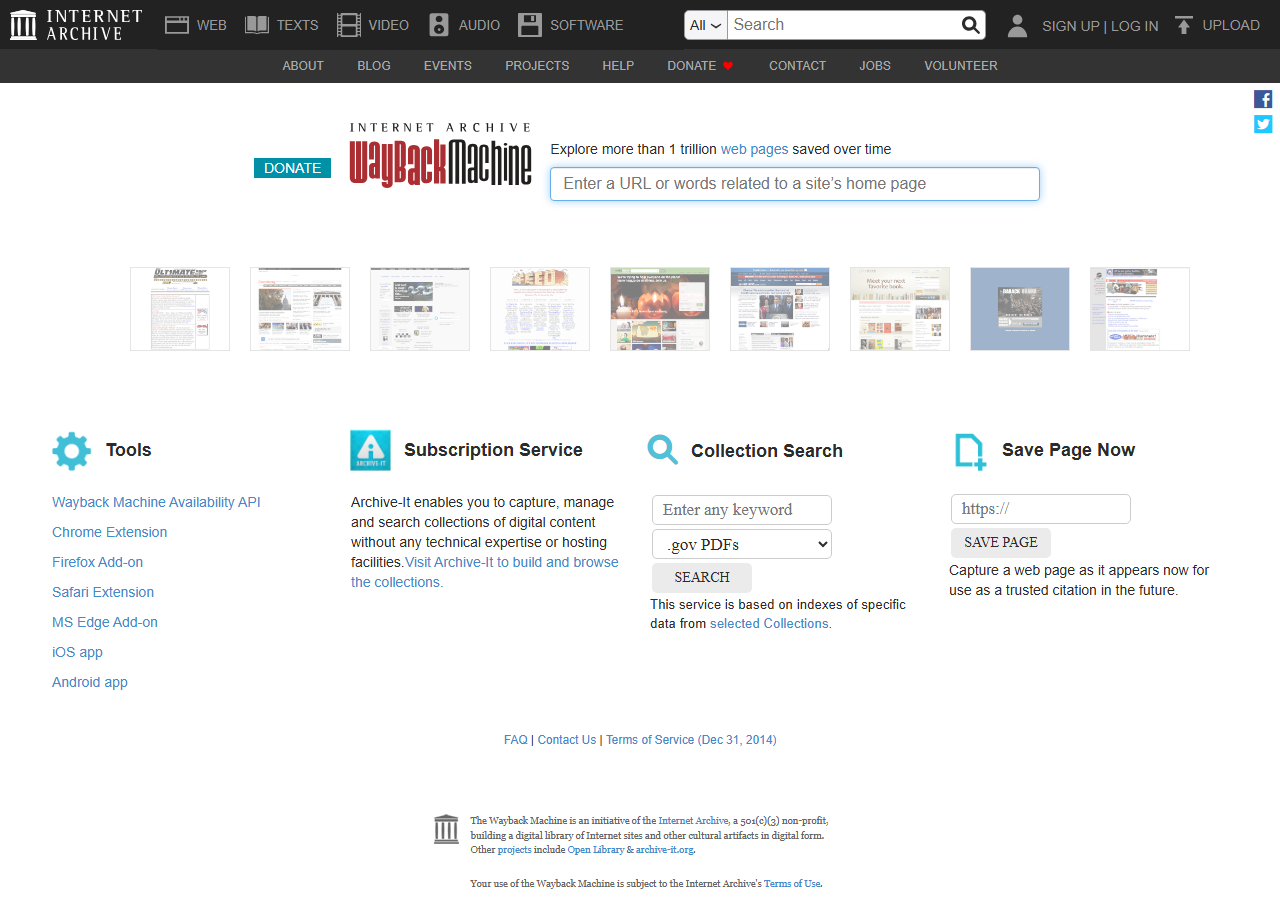
Check snapshot frequency to gauge historical activity level. Domains with monthly or quarterly archives signal sustained effort, while gaps of years suggest abandonment or parking. Compare homepage copy, navigation menus, and actual article URLs across different years to spot pivots.
For recent history, use Google’s cache operator (cache:example.com) and Bing’s cached pages to verify the most recent live content before expiration. Cross-reference these with Wayback snapshots to confirm the domain maintained its focus until the end, rather than degrading into spam or thin affiliate pages.
Note
Pair WHOIS history with Wayback in one window, ownership change dates explain content pivots that look mysterious in isolation. Our companion guide on historical WHOIS records covers the cross-reference workflow in detail.
Red flag: domains showing multiple unrelated niches across their history, or those whose final snapshots reveal doorway pages, scraped content, or ad farms masquerading as editorial sites.
Audit the Backlink Profile for Semantic Alignment
Start by exporting the backlink profile from Ahrefs, Majestic, or Moz and filtering by domain authority and referring page topic. Look for clusters: do most links come from health blogs, SaaS directories, or local business listings? A domain with 200 backlinks from pet care sites won’t help your fintech startup, even if the metrics look strong.
Flag spam signals early. Watch for anchor text that reads like keyword stuffing, links from unrelated foreign-language sites, and sudden spikes in link velocity with no clear campaign behind them. Identifying toxic links now saves you from inheriting a penalty or wasting budget on cleanup later.
Prioritize domains where 60 percent or more of backlinks share your target topic. Use Majestic’s Topic Trust Flow or Ahrefs’ category tags to verify semantic alignment at scale. A tight thematic profile signals genuine niche authority, not a link farm repurposed across industries.
Check Anchor Text Distribution and Context
Anchor text profiles reveal whether a domain earned links through genuine authority or link schemes. Natural backlink portfolios show branded anchors (40–60%), naked URLs (20–30%), topical phrases (10–20%), and generic text like “click here” (10–20%). When exact-match commercial keywords dominate, especially the same phrase repeated across dozens of links, you’re likely looking at the kind of pattern Google’s link-spam policies explicitly devalue.
Check context beyond the anchor itself. Open a sample of referring pages to confirm the links appear in relevant editorial content, not site-wide footers, blogroll sidebars, or comment spam. Tools like Ahrefs and Majestic surface anchor distribution in seconds; export the data and sort by frequency. Domains with diverse, contextually appropriate anchor text from real articles or resource pages typically carried topical authority. If anchor ratios skew heavily toward money keywords or links appear in irrelevant contexts, the domain’s link equity is artificial and won’t transfer value post-acquisition.

Red Flags That Kill a Domain’s Value
Not every expiring domain is a hidden gem. Many carry baggage that instantly disqualifies them from serious use, and spotting these issues early saves hours of wasted due diligence.
Penalized domains are the most dangerous. Check Google Search Console history if available, or run a site: search to see if pages are indexed. Zero results despite archived content suggests a manual action or algorithmic penalty. Cross-reference with Moz Spam Score and Ahrefs’ toxicity metrics to avoid penalties transferring to your project.
Adult, pharmaceutical, or gambling history leaves a permanent stain. Pull Wayback Machine snapshots across multiple years. If the domain ever hosted casinos, explicit content, or pill affiliate pages, walk away. Search engines have long memories, and reclaiming trust is nearly impossible.
Caveat
“The previous owner used it for X” is not always disqualifying, a domain that briefly redirected to a parking page for six months is recoverable. A domain that ran a pharmacy affiliate operation for three years is not. Duration and prominence in the Wayback timeline matter more than any single bad snapshot.
Massive topic pivots signal manipulation. A domain that started as a gardening blog, pivoted to cryptocurrency, then insurance shows it was flipped between niches for link schemes rather than built with editorial integrity. Flipped, not grown.
Link spam networks leave fingerprints. Run the backlink profile through Ahrefs or Majestic. Look for clusters of links from identical IP ranges, templated anchor text patterns, or hundreds of sitewide footer links. These patterns indicate the domain participated in link farms.
Thin content domains with dozens of low-quality pages stuffed with keywords but offering no substance rarely recover. Check archived pages for depth, originality, and user value.
Redirect-only domains that never hosted real content exist solely to pass link equity. If every Wayback snapshot shows immediate redirects, the domain has no standalone authority worth inheriting.
How to Score and Prioritize Domains Efficiently
Build a three-factor scoring system to rank each expired domain quickly. Assign 0–10 points for topical match (how closely past content aligns with your niche), 0–10 for backlink quality (ratio of high-authority referring domains to spam), and 0–10 for ease of repurposing (clean archive history, no adult or pharma footprint). Domains scoring 24+ warrant serious consideration; those below 15 typically aren’t worth the effort.
Speed matters when auctions close in hours. Use a simple spreadsheet with one domain per row and three columns for scores. Check topical match first using Wayback Machine snapshots, if the site covered unrelated topics, skip further research. Next, pull backlink metrics from Ahrefs or Majestic and score based on Domain Rating and referring domain diversity. Finally, scan for red flags like trademark conflicts or prior penalties that inflate repurposing costs.
This framework turns subjective hunches into repeatable decisions. Time-constrained SEOs can evaluate twenty domains in an hour, focusing deep-dive research only on high scorers. Adjust weighting if your strategy prioritizes one factor, content creators might double topical match weight, while link builders emphasize backlink quality. Document your scoring rationale so you can refine thresholds as you learn which combinations deliver ROI.

Green Flags vs Red Flags: The Bid Decision
By the time you’ve reached the bid stage, the question isn’t “is this a good domain”, you wouldn’t be there if it wasn’t a candidate. The question is whether the picture in front of you matches a known-good pattern or a known-bad one. The signals cluster cleanly:
✓
Green flags, bid with confidence
- ›Consistent topic across 5+ years of Wayback snapshots
- ›60%+ of referring domains in your target niche
- ›Branded and topical anchors dominate the distribution
- ›Stable ownership history with no clustered transfers
- ›Editorial body-copy links on real articles, not sitewide footers
✗
Red flags, walk away
- ›Multiple unrelated niche pivots in Wayback history
- ›Exact-match commercial anchors dominating the profile
- ›Adult, pharma, or gambling content in any historical snapshot
- ›Link velocity spike in the 6 months before expiration
- ›Redirect-only or parked across most of its history
Topical relevance vetting isn’t a crystal ball, it won’t predict penalties or guarantee rankings. What it does: dramatically shrink the pool of domains worth investigating further. By filtering on semantic proximity, historical content patterns, and backlink themes before you check metrics like DA, you save hours chasing dead-end auctions. Build a repeatable checklist that starts with relevance, flags red flags early, and treats authority scores as confirmation, not starting points.
Vanity metrics sell domains; topical fit determines whether they move the needle. Vet smart, bid selectively, and let relevance do the heavy lifting so your time goes to domains that actually match the queries you want to rank for.
Try it this week
Surface three real candidates in your niche before next Friday.
-
1
Open ExpiredDomains.net. Filter to your niche keywords, minimum 5 years old, 50+ referring domains. Save the top 20 as a shortlist. -
2
Wayback-scan all 20, 30 seconds each. Kill anything with niche drift or parked years. You’ll likely be left with 3–6 survivors. -
3
Run the 90-second anchor protocol on each survivor. Pick the top three, set bid ceilings, document your verdicts, and watch which ones go for what they were worth.
The pipeline only gets faster with reps. Your tenth shortlist takes a third of the time of your first, and your win rate climbs in the same direction.
Related guides
- Historical WHOIS Lookup, Query historical WHOIS to expose PBN networks and ownership red flags.
- PBN Links vs Guest Posts, When private blog networks beat editorial outreach (and when they don’t).


Comments (3)
the ExpiredDomains.net + Wayback combo is the workflow ive been running for two years and the way the post describes it is the cleanest articulation ive read of why this works. saving for onboarding new hires
Topic relevance can shift after a 301 in ways the Wayback view doesnt catch. Ive gotten burned twice on domains whose snapshot history looked clean but whose anchor history (Ahrefs) showed a brief gambling redirect phase. Anchor profile is the next vet after Wayback, not optional.
Yes, the anchor-text history is the layer most people skip and it’s where the surprise penalties hide. We treat the sequence as Wayback first (content shape), then anchor history (commercial intent shape), then WHOIS continuity (ownership shape). All three have to look clean before we even consider price.