

Research Niche: The Foundation Every Niche Edit Placement Strategy Needs

Map every prospective site against three compatibility layers before reaching out: topical overlap (does their existing content cluster naturally connect to yours?), audience alignment (do their readers need what you’re linking to?), and editorial standards (does their typical link context match your placement goals?). Audit 10-15 of the site’s recent posts for recurring themes and outbound link patterns, score each opportunity on a simple rubric, and search the site for keywords from your target page. If nothing relevant surfaces, you’re pitching into a void. Strong niche research isn’t about volume, it’s about finding the dozen sites where your contribution feels inevitable, not opportunistic.
What Research Niche Actually Means in Link Building
Research niche in link building means systematically mapping the topical territory around your site and potential link hosts, not just chasing high-authority domains. In most cases, it’s the practice of identifying content gaps, understanding semantic relationships between subjects, and determining where your content genuinely fits into the existing web of ideas. Which is a broader exercise than it sounds. This goes beyond pulling keyword lists or copying competitor backlinks.
Quick vocabulary
- Niche research
- The pre-outreach intelligence layer that maps topical, audience, and editorial fit between your content and a potential link host.
- Topical territory
- The cluster of subjects, entities, and recurring themes a site has built coverage around. Your placement should extend it, not interrupt it.
- Entity map
- A diagram of the named concepts, tools, and people a piece of content discusses. Used to surface second-degree topical adjacency.
- Audience overlap
- The degree to which a site’s actual readers care about your topic, measured through comments, shares, traffic-overlap tools, and SERP behavior.
- Editorial fit
- Whether your proposed anchor and surrounding sentence mirror the site’s tone, depth, and existing link patterns.
- Niche edit
- A placement added inside an existing published post on a host site, rather than a freshly published guest article.
A quick contrast helps here. Unlike simple keyword research, which focuses on search volume and difficulty, niche research examines the conceptual landscape. What topics naturally connect? Which sites cover adjacent subjects? Where do conversations overlap? You’re building a mental map (topical clusters, content formats, editorial angles) that makes outreach contextually relevant rather than transactional.
| Dimension | Real niche | SEO-defined “niche” |
|---|---|---|
| Anchor | A community of readers with shared problems and vocabulary | A broad keyword category in a database |
| Boundary | Defined by what readers actually discuss | Defined by Ahrefs/SEMrush taxonomy |
| Adjacency signal | Entity overlap, shared sources, comment patterns | Same parent category label |
| Outreach fit | Your link extends an existing conversation | Your link shares a tag but not a reader |
| Failure mode | Rare. The placement feels editorial | “B2B” pitch lands on a startup-interview site that doesn’t review tools |
It’s also distinct from basic competitor analysis. Rather than just replicating someone else’s link profile, you’re seeking topical neighbors, sites discussing complementary subjects where your content adds substantive value. Think of it as understanding the ecosystem before approaching potential partners.
Pro tip
Before you open a prospecting tool, write a one-paragraph description of the reader your linked page serves. Their job title, their next question after reading, the metric they’re trying to move. In most cases, the niche map matters more than the keyword: prospects either serve that reader or they don’t.
Effective niche research feeds directly into smart prospecting frameworks by qualifying opportunities before outreach begins. You’re answering: Does this site’s audience care about my topic? Will editors see my content as genuinely useful? Does the semantic context make sense?
Strong niche research isn’t about volume. It’s about finding the dozen sites where your contribution feels inevitable, not opportunistic.
This foundation transforms link building from spray-and-pray outreach into strategic placement, earning links that drive relevant traffic and strengthen topical authority rather than just padding metrics.
Why Most Niche Edits Fail Before Outreach Begins
Most niche edit campaigns collapse at the research stage, long before the first email goes out. The root cause: teams prospect sites without establishing topical relevance or audience alignment. You find a page about digital marketing, pitch a SaaS tool link, and wonder why the site owner ignores you or quotes an absurd price.
Three research failures trigger most rejections. First, surface-level topical matching treats “business” sites as interchangeable when a B2B analytics blog and a startup founder interview site serve completely different readers. Second, teams ignore audience intent. Placing a technical API reference link on a beginner-focused tutorial page creates obvious friction, or rather, friction that any attentive editor will spot in seconds. Third, outreach happens without reading the existing content, so pitches reference non-existent categories or suggest placements that contradict the site’s editorial voice.
This leads directly to outreach that never converts. Backlinko’s outreach research consistently finds reply rates land in single digits when pitches show no evidence the sender read the recipient’s work. When publishers sense low effort, your pitch goes straight to delete. Even if they accept, misaligned placements perform poorly: the surrounding content doesn’t support your link contextually, so readers scroll past without engaging.
Watch for
Pitches that name-drop a “recent article” without describing it. Editors can tell when a sender skimmed a headline versus actually read the piece. A single specific reference (a sub-argument the author made, a stat they cited, a counterexample they raised) does more for your reply rate than ten generic compliments.
The fix requires investing research time upfront. Read recent posts to understand what problems the site solves and who comments or shares the content. Check whether the site covers your subtopic specifically or only mentions it in passing. Verify that the page format and depth match your link’s purpose. A ten-minute audit per site eliminates 80% of wasted outreach and dramatically improves both acceptance rates and long-term link performance.
The Three-Layer Niche Research Framework

The three layers don’t run in parallel, they stack. Order matters here. Topical territory tells you whether a site theoretically fits; audience overlap tells you whether the actual readers care; ecosystem fit tells you whether your placement will read as editorial or as a transaction. Skip a layer and, in most cases, the others stop carrying their weight.
The niche research pipeline
Layer 1: Topical Territory Mapping
Start by mapping the conceptual overlap between your content and prospective host sites. Identify shared subtopics, semantic clusters, and entity relationships that signal genuine topical affinity, not just broad category matches.
Use topic modeling tools to extract core entities and themes from both your page and candidate sites. Look for recurring concepts, related terminology, and subject hierarchies that appear in both contexts (the third one is the one most people skip). For instance, if your content covers conversion optimization for SaaS, relevant hosts might discuss user onboarding, retention metrics, or product-led growth, adjacent territories that share vocabulary and reader interest.

Build entity maps that reveal second-degree connections. A page about email marketing automation might legitimately link to content on GDPR compliance, customer data platforms, or lifecycle segmentation, topics that share entities like “subscriber,” “consent,” or “behavioral triggers” even when surface-level categories differ.
Note
Second-degree adjacency is where most editorial wins live. First-degree matches (same primary topic) are already crowded with link sellers, but the site that covers a sibling concept and would benefit from your angle is usually under-pitched and over-receptive.
Check whether potential hosts already reference the concepts, tools, or methodologies your content addresses. Sites that naturally discuss related subtopics signal editorial environments where your link adds contextual value rather than seeming forced. This overlap becomes your negotiation foundation. You’re not asking for an arbitrary backlink, you’re identifying where your content genuinely extends an existing conversation. Topical alignment determines whether a placement feels editorially sound or transactional, directly affecting both acceptance rates and long-term link stability.
Layer 2: Audience Overlap Analysis
Topical relevance alone doesn’t guarantee a successful placement. You need evidence that the site’s actual readers overlap with your content’s intended audience.
Start with on-site signals. Scan recent comment sections, not just volume, but whether readers ask questions or share experiences related to your topic. A cooking blog’s audience debating knife brands won’t care about SaaS metrics, no matter how well-written your resource. Useful test, that one. Look for semantic proximity: if readers discuss adjacent concepts naturally, your link has context.
Forum and community analysis reveals deeper audience behavior. Search the site’s domain on Reddit, Hacker News, or niche forums to see what gets shared and how users describe it. Note the language patterns and pain points that surface repeatedly.
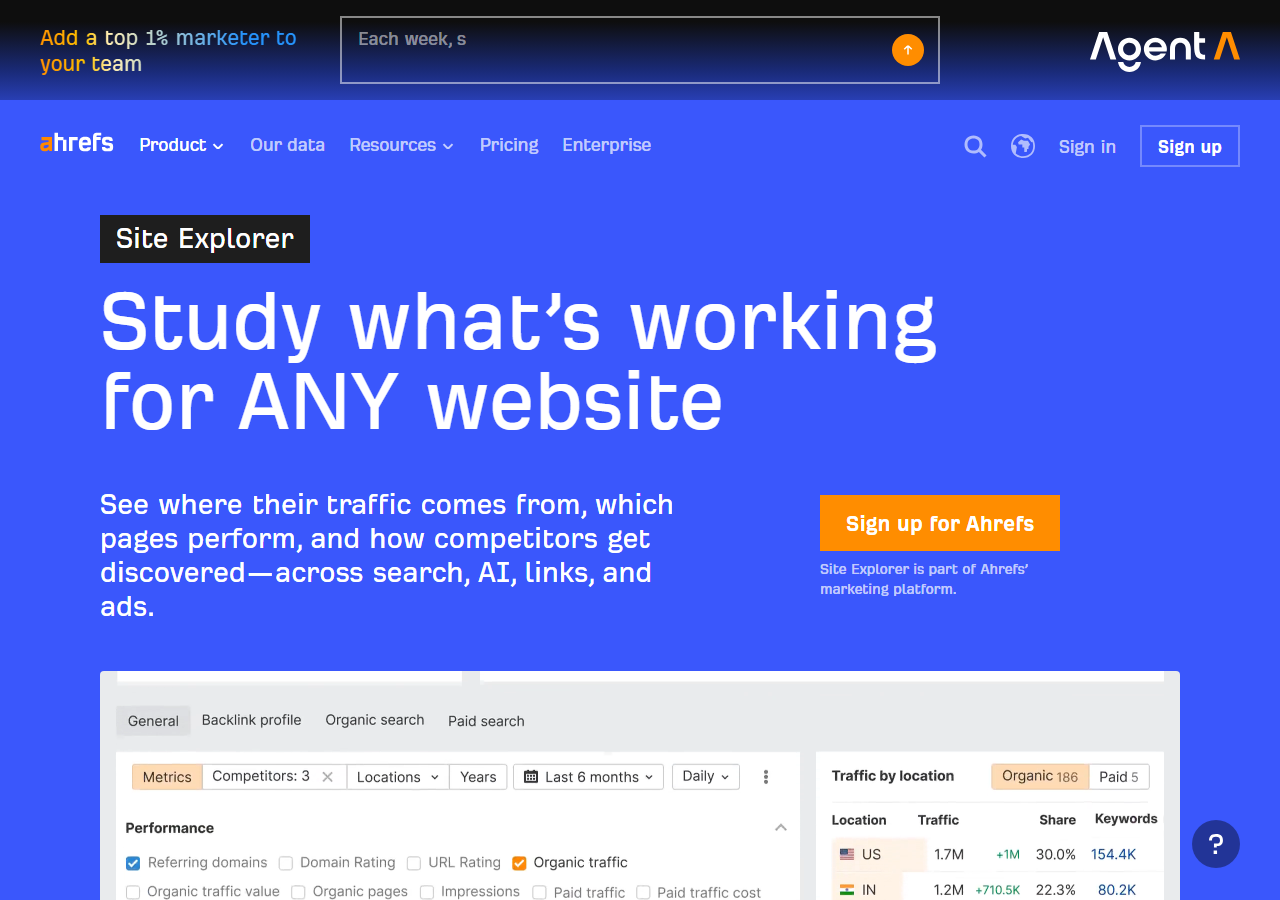
Traffic overlap tools like SimilarWeb or Ahrefs’ “Competing Domains” feature show where a site’s visitors also spend time. SparkToro’s audience intelligence goes deeper still, surfacing the publications, podcasts, and accounts a given audience actually engages with, useful for confirming overlap that domain-vs-domain tools miss.
Search behavior matters too. Enter the site’s primary keywords into a SERP tool and examine the “People also ask” and related searches. If those queries align with problems your resource solves, readers actively seek what you’re offering. This validates placement quality before outreach, reducing wasted effort on mismatched audiences.
Layer 3: Content Ecosystem Fit
Before you pitch a niche edit, map the site’s content architecture. Scan twenty to thirty recent posts (fewer if the site publishes infrequently) to identify recurring themes, typical word counts, and whether pieces skew technical, beginner-friendly, or industry-insider. Note how often the site links out. Some publications link generously, others guard every external reference.
Next, trace internal link patterns. Check whether cornerstone articles cluster around hub pages or if posts connect laterally. A site with deliberate interlinking expects your placement to reinforce that structure, not interrupt it. If every link opens in a new tab or carries rel="nofollow" by default, adjust your expectations accordingly.
Evaluate editorial voice by reading author bios and comment sections. Niche publications often maintain a consistent POV, conversational, academic, or tactical. Your proposed anchor and surrounding sentence must mirror that tone, or editors will reject it as jarring.
Finally, audit existing sponsored or affiliate links. If a post already includes three outbound links in a similar category, your edit may dilute value or, more often, trigger editorial pushback. The goal is seamless integration. Your link should read as if it belonged there from day one, not as an afterthought bolted onto paragraph twelve.

Practical Research Tools and Signals
Start with content gap analysis tools like Ahrefs Content Gap or SEMrush Keyword Gap to identify topics a target site covers but could expand. Enter the site alongside stronger competitors in the same niche. The output reveals underserved subtopics where your content might add genuine value. This signals placement viability better than raw traffic metrics alone.
Use entity explorers to map the semantic relationships a site already emphasizes. If your content introduces entities the site hasn’t covered but logically extends their topical universe, you’ve found a natural fit. Entity analysis reveals conceptual adjacency that keyword tools miss.
Pro tip
Run the gap analysis with two stronger competitors at once, not one. Two competitors create a triangulated view of what the target site is missing across two different editorial perspectives, which surfaces gaps that a single comparison treats as idiosyncratic.
Topical authority checkers and topical map tools help you verify whether a site has established depth in the niche you’re targeting. Sites with shallow coverage may resist placements that expose gaps. Sites with robust topical clusters welcome contributions that reinforce authority.
Audience overlap indicators, SimilarWeb’s audience interests tab or SparkToro’s intelligence, show whether a site’s readers already care about your topic. High overlap means your placement serves existing intent rather than forcing an awkward pivot.
Manual content audits remain essential. No tool substitutes for actually reading the site. Read recent articles, check internal linking patterns, and note citation quality. Does the site update old posts? Do they link to research or just competitors? These signals indicate editorial standards and, by extension, whether your pitch will resonate.

From Research to Outreach: Building Your Pitch
Strong niche research becomes persuasive outreach when you transform insights into context. Instead of generic pitches, reference specific site content that aligns with your link. Mention a recent article, acknowledge their audience focus, or note a content gap your placement fills. This demonstrates you’ve done the work and understand their editorial direction.
Use your topical map to position the placement naturally. If you researched a site covering sustainable architecture and you’re pitching a link about green building materials, explain exactly where it fits. Perhaps within their existing buyer’s guide or resource roundup. Site owners respond when you’ve identified the logical home for your link before they have to.
✓
Niche fits when
- ›Recent posts cover your subtopic or a close sibling concept
- ›Comment threads include the vocabulary your resource uses
- ›The site links out editorially, not only to affiliate offers
- ›You can name a specific URL whose argument your link extends
- ›Audience-overlap tools confirm shared reader interests
✗
Niche doesn’t fit when
- ›Category tags match but reader vocabulary doesn’t
- ›Recent posts only mention your subtopic in passing
- ›Outbound links are dominated by sponsored or affiliate placements
- ›You can’t find a specific page where the link logically belongs
- ›The editorial tone and your anchor wording would clash
Suggest concrete placement opportunities based on what you learned during research. Point to an underperforming page that could benefit from additional authority links, or identify outdated statistics your content updates. This approach shifts the conversation from “Can I get a link?” to “Here’s how this improves your existing content.”
Your research should inform every outreach element. The subject line references their niche focus, the opening demonstrates familiarity with their work, and the ask connects directly to their content goals (in that order, ideally). Check outreach templates that work for frameworks that convert research into response-worthy emails.
Niche research isn’t the busywork you complete before the “real” outreach begins. It’s the intelligence layer that determines whether prospects reply, whether placements actually strengthen your authority, and whether the links you secure move rankings instead of just burning budget. Treat it as strategic reconnaissance: the sites you choose, the relevance signals you map, and the context you uncover directly shape your negotiating leverage and editorial fit. Starting with volume and hoping for conversions inverts the entire process. Begin with depth. Identify what makes a site topically aligned, why their audience would value your content, and how your placement serves their readers, then scale only what works. Research-first outreach converts better, costs less per quality link, and builds the kind of backlink profile that search engines reward and competitors can’t easily replicate.
Try it this week
Pick one target page. Build the niche map for ten candidate hosts before you draft a single email.
-
1
Write the reader description for your target page (job title, next question, metric they care about). Use it as the qualifier for every prospect. -
2
For each of ten candidate hosts, audit 10-15 recent posts. Score them on topical territory, audience overlap, and editorial fit. Drop anything below a 2-of-3. -
3
For the survivors, name the specific URL whose argument your link extends. That URL goes in the pitch. No URL, no pitch.
The shortlist is smaller than you expected. That’s the point. A dozen well-mapped sites outperform a hundred lazy ones, every quarter, without exception.

