

Why Google Now Treats Authors Like Entities (And How to Optimize Yours)

Look, Google stopped reading bylines as text in the years after the Knowledge Graph rolled out, and it now resolves them, where it can, to entities. Two “Jane Smiths” with similar bios should not register as one person, and a qualified expert with no machine-readable identity should not register as nobody. Or shouldn’t, anyway. This guide is about closing that gap, the Person schema, the sameAs links, the author hubs, and the small consistency checks that move a byline from a string to a node in Google’s graph.
What Author Entity Optimization Actually Means
Author entity optimization treats authors as structured data points in Google’s Knowledge Graph, not just text bylines above your content. When you publish under “Jane Smith,” Google doesn’t simply read those characters, it attempts to resolve that name to a distinct entity with verifiable attributes, publications, credentials, and connections to other entities.
Quick vocabulary
- Person schema
- A schema.org type (Person) you embed as JSON-LD on author pages and articles, the canonical structured-data home for a human author.
- sameAs
- A schema property listing external URLs that represent the same entity. Wikipedia, LinkedIn, ORCID, Wikidata, the author’s own bio elsewhere.
- ORCID
- A persistent researcher identifier widely used for academic and journalistic byline disambiguation. Acts as a strong sameAs anchor.
- Wikidata entry
- A structured entry in the Wikidata graph. Google’s Knowledge Graph ingests Wikidata heavily, so a clean Wikidata item is one of the most direct routes to entity recognition.
- Author hub page
- A dedicated /author/jane-smith URL with bio, credentials, and a filterable archive of every byline. The canonical identity hub on your own domain.
- Byline normalization
- The discipline of using one canonical name format everywhere, byline text, schema name, URL slug, social profile. Variants dilute entity resolution.
The difference matters because Knowledge Graph entities carry weighted trust signals. A byline is static text; an entity is a node with relationships. Google evaluates whether your author entity links to a real person with an established track record, relevant expertise markers, and consistent entity salience signals across the web. (I audited a B2B publisher last spring whose lead writer had four LinkedIn profiles, two ORCID IDs, and zero Wikidata items, the Knowledge Graph saw four candidate entities and merged none of them.) This includes external profiles, co-authorship patterns, citations, and topical authority demonstrated through previous work.
A byline is static text; an entity is a node with relationships, that’s the whole shift in how Google reads authorship.
Author entities function like identity verification at scale. Google uses them to answer: Does this person exist beyond this single article? Have they published on this topic before? Do credible sources reference or link to their work? Are their credentials machine-readable and corroborated? Honestly, most sites I audit fail on the last two and pass on the first two, which is exactly the wrong way around.
Without proper entity signals, your author remains ambiguous. Two different “Jane Smiths” might blur together, or your qualified expert might register as an unknown contributor. Entity optimization makes authorship legible to algorithms by providing structured, connected data, author schema markup, consistent NAP information across profiles, verifiable credentials, and semantic links between the author, their body of work, and relevant topical entities. This transforms bylines from decorative elements into rankable trust signals.
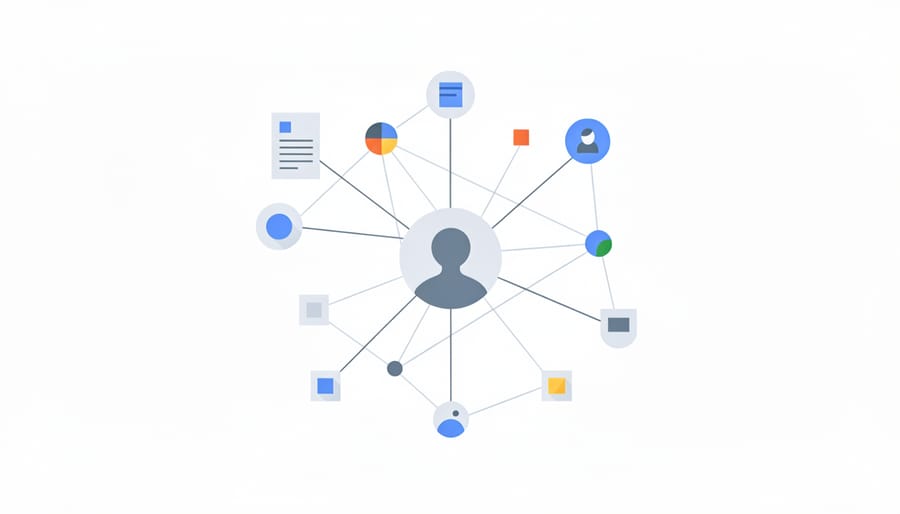
The Four On-Page Signals Google Uses to Identify Author Entities
Schema Markup: Author and Person Entities
Implement Person schema on author bio pages using the required properties: name, url, and jobTitle. Add optional but valuable fields including sameAs (linking to verified social profiles), worksFor (organization entity), and description (concise expertise summary). Google uses these properties to build author knowledge graphs and connect bylines to entity profiles.
A minimal, well-formed Person block, the kind I’d ship on a new author hub before any cleverness, looks like this:
<script type="application/ld+json">
{
  "@context": "https://schema.org",
  "@type": "Person",
  "name": "Jane Smith",
  "url": "https://example.com/author/jane-smith/",
  "image": "https://example.com/static/jane-smith.jpg",
  "jobTitle": "Senior SEO Analyst",
  "description": "Technical SEO specialist focused on entity optimization and structured data.",
  "knowsAbout": ["Technical SEO", "Schema.org", "Knowledge Graph"],
  "worksFor": {
    "@type": "Organization",
    "name": "Example Media",
    "url": "https://example.com/"
  },
  "sameAs": [
    "https://www.linkedin.com/in/janesmith/",
    "https://twitter.com/janesmith",
    "https://orcid.org/0000-0002-1825-0097",
    "https://www.wikidata.org/wiki/Q12345678"
  ]
}
</script>
The sameAs array does most of the disambiguation work. LinkedIn and Twitter are table stakes, ORCID and Wikidata are the upgrades that move a byline from “probably real” to “demonstrably resolved.” For most teams, in my experience, the Wikidata anchor is the single highest-leverage addition because Google ingests Wikidata into the Knowledge Graph more readily than it crawls out to arbitrary social profiles.
Common mistakes include incomplete schema implementation (missing sameAs links), inconsistent name formatting across pages, and orphaned author pages without meaningful content. Each author page needs substantive bios (minimum 150 words, roughly), published article lists, and credential details that match the Person schema properties. Match being the operative word.
Pro tip
Run the same Person JSON-LD block on both the author hub and inside each article’s author block, with the URL field pointing at the hub. Google reconciles them as one entity faster when the same canonical URL appears in both places, instead of inferring the link from byline text alone.
Priority properties for recognition: sameAs URLs to verified Twitter, LinkedIn, and professional profiles; email using the same domain as the content site; and knowsAbout tags listing specific expertise areas. These signals help Google disambiguate authors with common names and validate claimed expertise against published content topics.
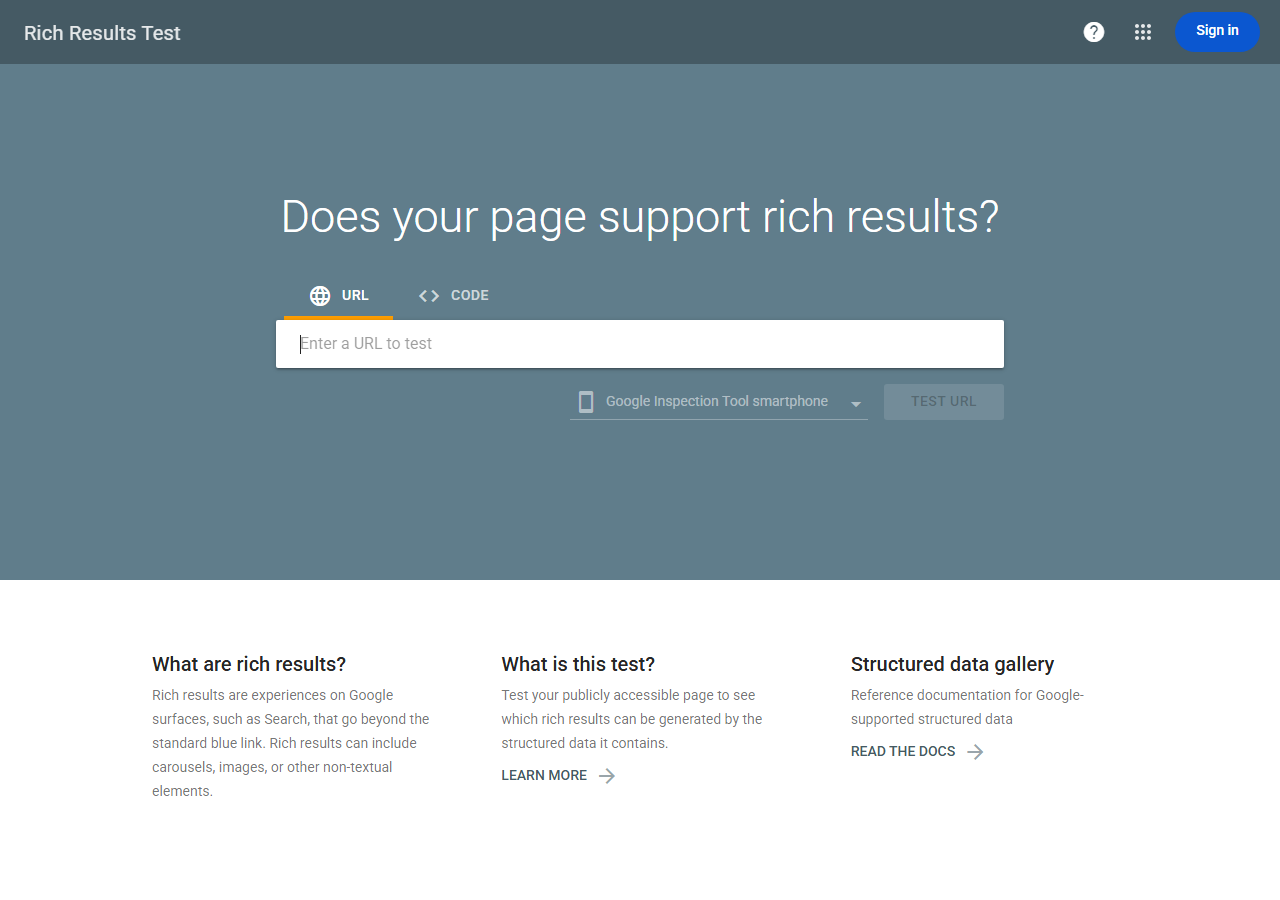
Test implementation using Google’s Rich Results Test and verify author entities appear in Knowledge Graph API queries. Track whether Google displays author information in search results as a signal of successful entity recognition. (Backlinko’s E-E-A-T breakdown covers the broader trust framework these signals feed into.)

Cross-Site Author Profiles and Identity Verification
Help Google recognize you as the author behind your content by connecting your digital footprint across platforms. Start with consistent naming, actually start before that, decide what the canonical name is. Then use the exact same format everywhere, bylines, social profiles, about pages. Google’s entity resolution algorithms look for patterns.
Implement rel=author markup on your content pages, pointing to a robust author bio page on your own domain. That bio becomes your canonical identity hub. Within your schema markup, use the sameAs property to list your verified profiles, LinkedIn, Twitter, GitHub, or relevant academic repositories. These act as coreferencing signals that confirm you’re a real person with presence beyond a single site.
Claim your Google Knowledge Panel if eligible, and keep your profile information uniform across ORCID, industry directories, or professional associations. Each consistent mention strengthens the entity graph connecting your name to your expertise area. The goal isn’t omnipresence, it’s coherence. Google’s natural language processing scans for name variants, typos, and disambiguation signals, so a tight, consistent identity across 3-5 authoritative platforms outperforms scattered, inconsistent mentions across dozens.
Well-Formed vs Ghost Author
Side-by-side, the difference between an entity Google can resolve and one it cannot is almost always visible without any tooling, just a careful read of the byline, the bio, and what’s linked from it.
| Signal | Well-formed author entity | Ghost author |
|---|---|---|
| Byline format | One canonical name everywhere, links to author hub URL | Variants across pages (“J. Smith”, “John A. Smith”), no link |
| Person schema | JSON-LD on hub and articles with name, url, jobTitle, sameAs, knowsAbout | No schema, or malformed JSON-LD that fails Rich Results Test |
| sameAs anchors | LinkedIn + Twitter + ORCID and/or Wikidata, all live | No sameAs, or links to dead profiles and empty social accounts |
| Bio depth | 150+ words, named credentials, verifiable claims, topic-specific | One sentence, vague (“loves writing about tech”), no credentials |
| Published archive | Filterable archive of bylines, clustered on a narrow topic | Empty hub, or scattered bylines across unrelated topics |
| External corroboration | Independent citations, conference talks, published elsewhere | No mentions outside your domain, no verifiable history |
Author Bios That Build Topical Authority
An effective author bio sends clear on-page signals that establish expertise. Include specific credentials (degrees, certifications, years of experience), links to bylines on recognized publications, and entity-rich job titles or affiliations that Google can verify. Name the precise topics or industries the author covers rather than vague claims. When possible, reference awards, speaking engagements, or institutional affiliations that serve as external validation. Use structured data to mark up author information so search engines parse credentials as entities, not just text. Keep bios current and consistent across platforms to strengthen entity recognition.
Building Topical Authority Through Author-Content Mapping
Assign each author to a narrow subject area where they have provable credentials, certifications, job history, or published work. Google’s algorithms connect author entities to topics through repeated, relevant bylines. Map your writers to topics they can own, not just topics you need covered. (One health-vertical site I audited had their nutritionist writing crypto explainers because traffic, the nutritionist’s E-E-A-T signal effectively zeroed out.)
Create a dedicated author hub page for each contributor. Include a full bio with credentials, links to external profiles (LinkedIn, industry publications, academic records), and a filterable archive of every piece they’ve written on your site. This gives Google a clear entity graph: Author X writes about Y, repeatedly, with depth.
Building an author-entity profile
Structure your editorial calendar to reinforce these patterns. If an author covers “technical SEO,” ensure they publish on related subtopics, crawl budgets, JavaScript rendering, log file analysis, at least quarterly. Sporadic coverage across unrelated domains dilutes the signal. Consistency builds topical authority faster than volume.
Note
In my experience, the author-topic mapping fails most often not on the first article but on the third, when an editor reassigns the writer to a hot topic outside their lane. Defend the lane. A specialist with 8-12 deep pieces on one subtopic outperforms a generalist with 30 shallow ones across a category.
Link internally between an author’s related pieces. When Author X publishes a new article on schema markup, link to their previous structured data guides. This creates a topic cluster anchored to a human expert, not just a faceless brand. Ahrefs’s topical-authority guide walks the broader pattern, the author-entity layer is what attaches that cluster to a verifiable human.
Track author-topic strength using Google Search Console. Filter impressions and clicks by author name queries (e.g., “Jane Doe technical SEO”) and monitor whether branded author searches increase over time. Rising visibility for author-plus-topic queries indicates successful entity-topic mapping.
And avoid rotating authors through the same beat. If three writers cover “link building” interchangeably, none develop measurable authority. None. Pick one specialist, let them own it, and reassign others to adjacent domains where they bring unique expertise. Tight author-content mapping signals expertise far more effectively than broad, shallow coverage.

Technical Implementation Checklist
Start by embedding AuthorProfile and Person schema in your article template. Place JSON-LD in the head or immediately after the opening body tag, ensuring each author page has a unique URL with consistent naming conventions like /author/jane-smith. Include sameAs properties linking to verified social profiles, official bios, and professional networks.
Structure author pages with a dedicated bio section containing at least 150 words of credentials, expertise areas, and professional history. Link each author’s name in article bylines directly to their author page using rel=”author” attributes. Add a visible author box below content featuring photo, short bio excerpt, and a clickable name linking back to the full profile.
Build internal linking strategies that connect related articles by the same author. On author pages, display a complete archive of their published work organized by topic or date. From individual articles, link to 2-3 relevant pieces by the same author within the body text where contextually appropriate.
Implement breadcrumb schema showing the path from homepage through author page to article. This reinforces entity relationships in Google’s understanding of your site architecture.
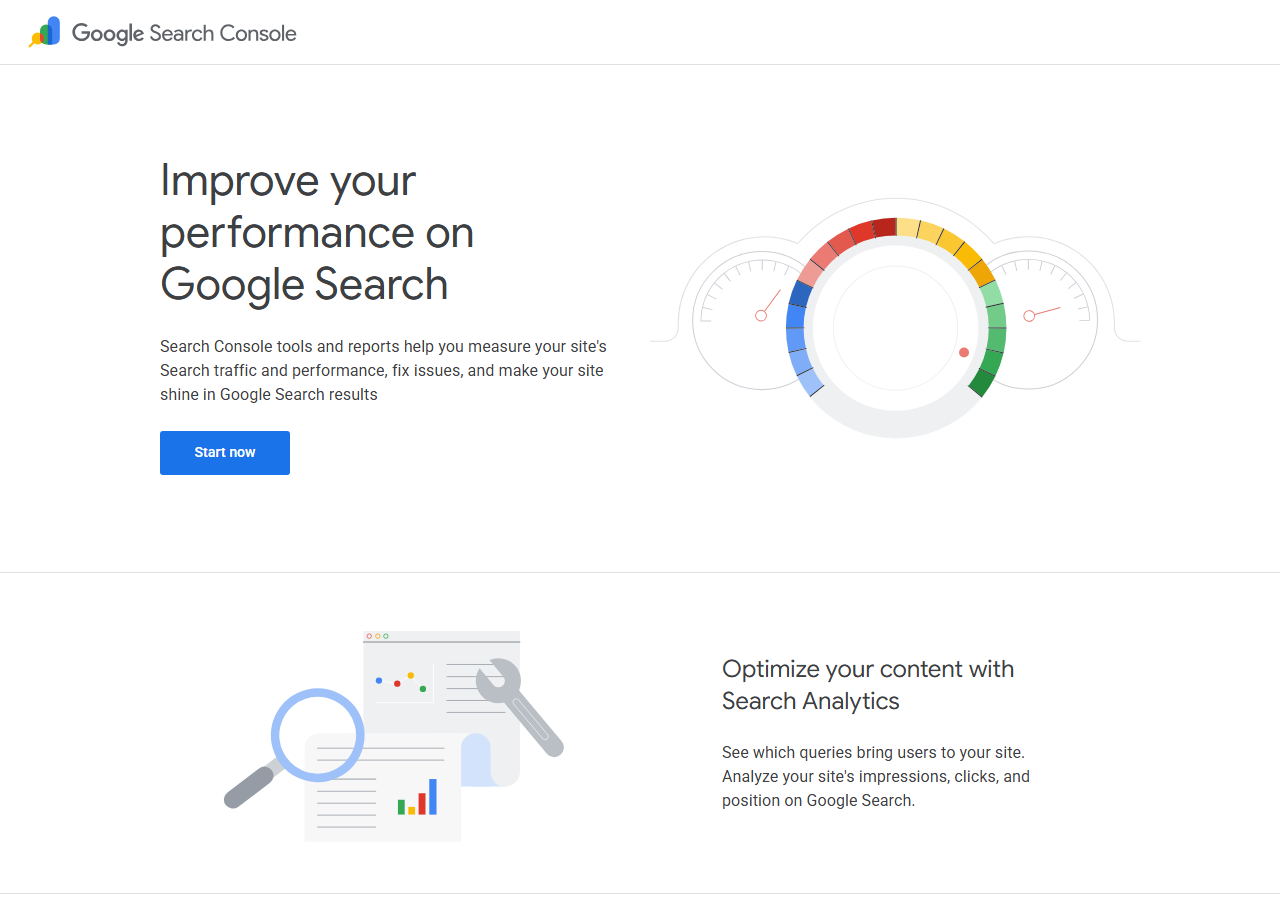
Test implementation by searching “site:yourdomain.com author name” in Google. Check whether Knowledge Graph panels appear with author information and whether rich results show authorship markup. Use Google Search Console’s Rich Results Test tool to validate schema syntax. Monitor the Coverage report for any structured data errors related to Person or Author entities. Moz’s structured-data primer is a useful refresher if your team is new to JSON-LD validation workflows.
Verify entity recognition by examining which queries trigger your author pages in Search Console’s Performance report. Look for branded queries combining author names with topics they cover. If entities are properly recognized, you’ll see impressions for queries like “author name topic expertise.”
Check Google’s Entity Report in Search Console if available for your property tier. Export URL-level data to identify which author pages Google successfully associated with knowledge entities.
Common Mistakes That Break Author Entity Signals
Author entity signals collapse when implementation gets sloppy. Here’s what breaks trust with search engines and readers alike.
Inconsistent naming torpedoes entity recognition. Probably the single most common failure mode I see. John Smith on one page, J. Smith on another, and John A. Smith in schema markup tells Google these might be three different people. Pick one canonical format and enforce it everywhere, bylines, schema, URLs, and author archive pages.
Shallow or missing author bios signal low investment in expertise. A single sentence with no credentials, links, or context gives Google nothing to assess authority. Build bios that establish topical relevance: credentials, publications, years of experience, specific domains of knowledge.
Watch for
Schema markup errors are invisible until they break everything. The most common silent failure I see, mismatched author names between the Person schema’s name field and the byline text rendered on the page. Google treats those as candidate-different entities and never merges them. Validate every author page separately.
Ghost authors damage credibility fast. Fabricated names without real social profiles, publications, or verifiable history look like manipulation. Real authors with incomplete digital footprints need at least LinkedIn, a personal site, or published work elsewhere to establish legitimacy.
Orphaned author pages with zero published content waste crawl budget and confuse entity graphs. If an author hasn’t published yet, don’t create their profile page. When managing SEO at scale, audit regularly for authors without associated content and redirect or remove those pages.
Measuring Author Entity Recognition
Honestly, the cheapest check is just searching the author’s name in quotes and looking for a Knowledge Panel or rich snippets tied to their profile. No panel doesn’t necessarily mean failure; plenty of legitimate authors lack them, but presence signals strong entity recognition.
Run structured data through Google’s Rich Results Test to confirm Person schema renders correctly. Parse the preview for author name, image, and social links, missing elements suggest incomplete markup or crawl issues.
Track author-specific queries like “articles by [Author Name]” or “[Author Name] + [topic]” in Search Console. Rising impressions indicate Google associates the author with subject matter. Filter by page to see which bylines drive visibility.
Use entity extraction tools like Google’s Natural Language API to verify your author pages contain unambiguous entity signals. Feed author bios and bylines through the API, high salience scores for the author’s name confirm clear entity boundaries.
Monitor brand searches combining author name plus your site. Growth here suggests readers recognize the author as a credible voice, reinforcing Google’s entity graph over time.
Worth the Author-Entity Work?
Author entity optimization is foundational infrastructure for any site that publishes regularly under named bylines and competes on credibility-sensitive queries. Or rather, it’s foundational for sites that should be competing on credibility. It’s overhead worth skipping when bylines are pseudonymous, throwaway, or the content vertical doesn’t reward authorship signals at all.
✓
Worth the author-entity work for
- ›YMYL verticals (health, finance, legal) where E-E-A-T is heavily weighted
- ›Editorial brands competing on author credibility, not just SEO depth
- ›Sites with a named expert roster whose bylines transfer trust across topics
- ›B2B publications where guest-post bylines bring external authority to your domain
- ›Anywhere “author name + topic” branded searches already show signal in GSC
✗
Skip it for
- ›Pseudonymous or pen-name-only publishing where verification is impossible
- ›Programmatic / templated content where no human is meaningfully the author
- ›Sites with high contributor churn and no commitment to long-term hubs
- ›Verticals where queries are commodity and authorship rarely surfaces in SERPs
- ›Brand-only bylines (“The Editors”) where adding fake names would do more harm
Author entity optimization is foundational on-page E-E-A-T work that search engines actively parse and reward. Implementing schema markup, consistent attribution, and robust author bios creates machine-readable signals that connect your content to credible human expertise. These on-page tactics form the technical substrate for off-page authority: verified authorship amplifies the value of byline mentions, guest posts, and topical backlinks by proving a real expert stands behind the work. (Most of the sites I audit treat the author block as decoration, which is roughly why their guest-post backlinks underperform what the DR would predict.) Treat entity optimization as infrastructure, not decoration, every article you publish either strengthens or dilutes your author graph in Google’s knowledge base.
Try it this week
Pick one author. Ship a well-formed Person entity end-to-end.
-
1
Audit the byline. Lock one canonical name format and reconcile every page, schema field, and external profile to it. -
2
Ship the hub. /author/name with a 150+ word bio, named credentials, archive of bylines, and Person JSON-LD with full sameAs array. -
3
Validate, then watch. Run Rich Results Test on the hub and on three articles, then track “author name + topic” impressions in GSC over the next 30 days.
One well-formed entity is worth ten ghost authors. Get the first one right and the template handles the rest of the roster.
Related guides
- Information Gain and Entity Salience, The on-page signals search engines actually read, paired naturally with author-entity work.
- Internal Link Graphs and Topic Clusters, How to wire an author’s body of work into a coherent cluster Google can resolve.

