

One Expired Domain Mistake That Could Cost You $2 Million in Trademark Fines

Check WHOIS records and trademark databases before purchasing any expired domain, fines can range from $1,000 to $2,000,000 per violation under 15 U.S.C. § 1117, the Lanham Act’s remedies section, with courts typically awarding $50,000–$150,000 in contested cases. Run the domain name through USPTO’s TESS database and search active litigation records to identify registered marks that could trigger infringement claims. Examine archived site content using Wayback Machine to verify the domain’s commercial history and detect past trademark use that creates residual liability. Abandoned domains carrying brand similarity to active marks expose you to statutory damages even without willful intent, making pre-purchase screening non-negotiable for domain investors and SEOs building private blog networks.
Look, corporate trademark holders actively monitor expired domain auctions and routinely file UDRP complaints within 60 days of detecting infringement. Legal costs alone average $25,000–$75,000 before reaching settlement, with brand protection firms increasingly targeting link builders who repurpose branded domains for SEO manipulation. The financial exposure compounds when domains previously hosted counterfeit operations or phishing schemes, as courts assess damages based on the mark’s commercial value rather than your purchase price or stated intent.

What Trademark Infringement Actually Costs
Quick vocabulary
- Lanham Act
- The federal trademark statute (15 U.S.C. § 1051 et seq.) that defines infringement, dilution, and remedies including statutory damages.
- ACPA
- Anticybersquatting Consumer Protection Act, the cybersquatting-specific carve-out at 15 U.S.C. § 1125(d) targeting bad-faith domain registrations.
- UDRP
- ICANN’s Uniform Domain-Name Dispute-Resolution Policy, the arbitration process for transferring abusive domains outside court.
- Statutory damages
- Pre-set monetary awards courts can grant without requiring proof of actual financial harm, the trademark holder’s preferred remedy.
- Likelihood of confusion
- The legal test for infringement, would an average consumer mistake your site for one affiliated with the trademark owner.
Statutory vs. Actual Damages
Courts award two types of damages in trademark cases: actual and statutory. Actual damages require proving real financial harm, lost sales, diverted traffic, brand repair costs, which demands extensive documentation and forensic accounting. Many trademark holders skip this route. Statutory damages, by contrast, let courts award between $1,000 and $200,000 per violation (up to $2 million if willful) without proving specific losses, per the Lanham Act remedies in 15 U.S.C. § 1117(c) and § 1117(d). Statutory damages start at $1,000. Per mark.
For expired domain cases, this matters: if you acquire a domain previously tied to a trademarked business and generate ad revenue or resell it, the trademark owner can pursue statutory damages based solely on your use, not their provable harm (I’ve watched a client walk into this exposure for a $200 domain purchase). Trademark holders prefer statutory in domain disputes because the burden of proof is lower, awards are predictable, and discovery costs drop. If you’re evaluating an expired domain, assume statutory exposure, especially if prior use involved commerce under a registered mark.
Legal Fees and Court Costs
Defending a trademark claim starts with cease-and-desist response costs, expect $1,500–$5,000 for a specialized attorney to assess the letter, research precedent, and draft a reply. If the case escalates to federal court, litigation fees in most cases range from $50,000 to $300,000 through trial, covering discovery, depositions, and motion practice. Small copyright or trademark disputes often settle for $10,000–$50,000 once legal bills mount on both sides.
Watch for
Trademark owners know the math on small operators. A $500 expired domain generating $200 monthly affiliate income cannot justify even preliminary defense costs, and that asymmetry is exactly the leverage their counsel relies on. Even winning a case may leave you with non-recoverable attorney fees unless the complaint was frivolous.
For domain flippers and micro-niche site builders, these figures dwarf typical project budgets. Trademark owners use this math as leverage. Legal costs act as the real deterrent, making pre-purchase trademark screening far cheaper than any courtroom defense.
Ignorance doesn’t shield you from liability. Courts award statutory damages based on the mark’s commercial value, not your purchase price or stated intent.
Why Expired Domains Trigger Trademark Claims
Residual Brand Equity and Consumer Confusion
When someone types a trademarked brand into their browser and lands on an expired domain you’ve acquired, courts evaluate whether there’s a likelihood of confusion, the central test for trademark infringement. This standard examines whether an average consumer would mistakenly believe your site is affiliated with, sponsored by, or endorsed by the trademark owner. Domains containing exact brand matches (think “nikeoutlet-clearance.com” or “applerepairs.net”) create strong presumptions of confusion, especially if you’re operating in related markets or using brand-associated imagery and messaging.
Pro tip
Courts weigh eight likelihood-of-confusion factors (strength of the mark, similarity of goods, marketing channels, actual confusion, intent, and so on). You don’t need all eight to lose, two or three lined up against you is usually enough to survive a motion to dismiss, which means the cease-and-desist becomes a years-long litigation problem.
Prior brand recognition lingers; visitors arrive with expectations shaped by the original owner’s reputation. If your redirects, parked ads, or new content exploit that residual equity, capturing traffic meant for the brand, you’re in dangerous territory. Even good-faith buyers face risk. Actually, scratch that, especially good-faith buyers face risk, because the ones acting in bad faith usually understand the exposure and price it in. Before acquiring any domain with recognizable brand terms, run USPTO searches, check the Wayback Machine for historical use, and consult trademark counsel if commercial value hinges on the embedded name.
Bad Faith and Cybersquatting (ACPA)
The Anticybersquatting Consumer Protection Act (ACPA, codified at 15 U.S.C. § 1125(d)) targets domain registrants who profit from trademarked names without authorization. Courts assess intent through nine statutory factors: similarity to the mark, whether the domain holder has trademark rights, prior use of the domain as a legitimate site, intent to divert consumers, and whether the holder offered to sell the domain. Statutory damages under ACPA range from $1,000 to $100,000 per domain.
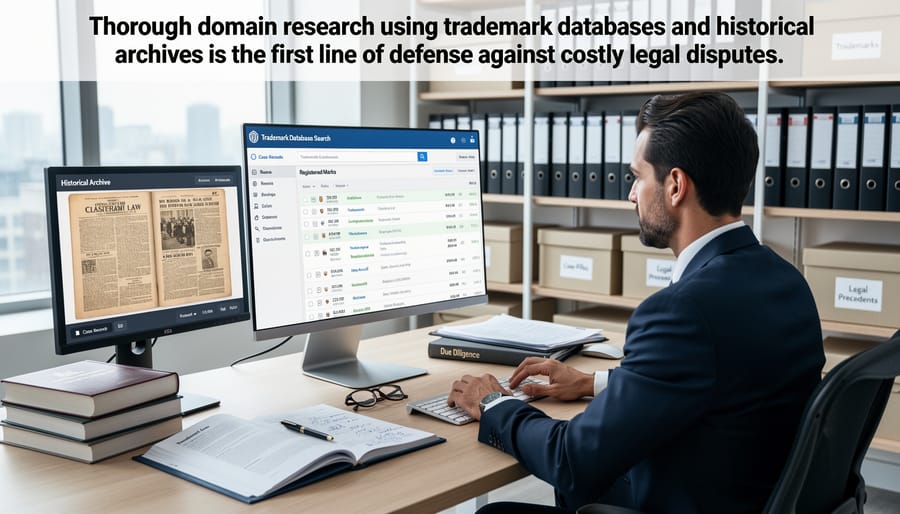
For expired domains, courts examine whether you knew about the trademark when registering and whether you’re using it to confuse visitors or profit from brand recognition. Document your vetting process and protect yourself from legal risk by checking trademark databases before purchase.
How to Vet Expired Domains for Trademark Risk
Check TESS and International Trademark Databases
Before purchasing an expired domain, run it through the USPTO’s Trademark Electronic Search System (TESS). Use the “Basic Word Mark Search” to check exact matches, then try the “Free Form” option with wildcards (e.g., *domain*) to catch phonetically similar or partial matches. Search all classes if unsure, since marks can be registered across multiple categories.
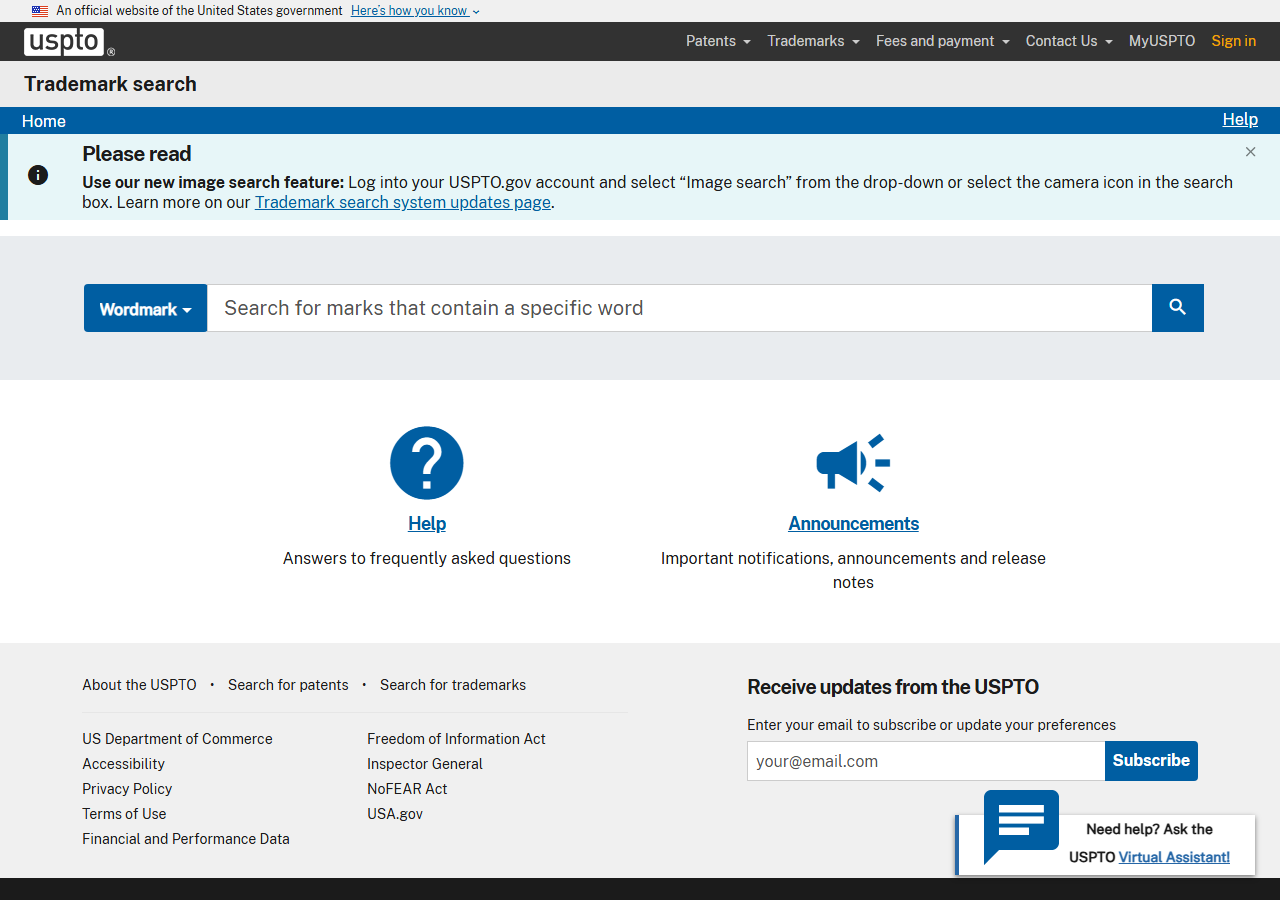

For international exposure, query the WIPO Global Brand Database, which indexes over 54 million marks from 75+ jurisdictions. Enter the domain name as a search term and filter by active status, even if a mark is abandoned in the U.S., it may still be enforced abroad. These free databases reveal whether your domain collides with live trademarks, helping you avoid cease-and-desist letters or five- to six-figure statutory damages before you invest.
Review Wayback Machine History
The Wayback Machine archives historical snapshots of websites, making it essential for vetting expired domains before purchase. Check whether the domain previously hosted a legitimate business site, a parked page with ad links, or content that carried active trademarks. Look for logos, brand names in headers, and official company contact information that indicate prior trademark ownership. Gaps in the archive or sudden content changes often signal ownership disputes or abandonment.
Pre-purchase vetting workflow
Run snapshots from multiple years to spot consistent branding versus temporary use. Archived pages serve as timestamped evidence of trademark use, which courts and registrars weigh heavily in infringement disputes.
Google the Domain and Brand Name Variants
Run the domain and its brand name variations through Google to surface existing trademarks, active businesses, or legal disputes. Look for cease-and-desist letters, UDRP decisions, or news coverage mentioning the name, signs that rights holders are actively defending their mark. Check multiple spelling variants, abbreviations, and common misspellings to catch similar brands that could claim confusion.

Honestly, review at least the first three pages of results; trademark owners with enforcement budgets typically maintain strong search visibility. If the domain matches an operating company or you find litigation history, that’s a clear signal to walk away before you inherit someone else’s legal problem.
Run WHOIS History and Ownership Checks
Run a WHOIS history lookup using tools like DomainTools or WhoisXML API to surface past registrants and registration dates. Cross-reference names against the trademark owner’s business records, authorized distributor lists, and any licensing agreements. If prior registrants have no documented connection to the brand, that’s a red flag for potential infringement liability. Even legitimate resellers should show clear authorization trails.
Consult a Trademark Attorney for High-Value Domains
Hire a trademark attorney before acquiring a domain worth $5,000+ or tied to a recognizable brand. A clearance opinion runs $500–$2,500, far less than statutory damages starting at $1,000 per mark or defense costs exceeding $100,000. Counsel reviews USPTO records, common-law rights, and likelihood of confusion, catching risks automated tools miss (and remember, the defendant who “didn’t know” still loses). For high-stakes domains, legal insurance beats guesswork, but treat this as a starting point, not legal advice; talk to actual counsel before you sign anything.
Red Flags That Signal High Trademark Risk
The same purchase patterns send opposite signals depending on context, here’s how safe acquisitions differ from the ones that trigger UDRP filings:
| Signal | Safe purchase pattern | Risky purchase pattern |
|---|---|---|
| Brand terms in domain | Generic, descriptive, or invented terms with no trademark hits in TESS | Recognizable consumer brand embedded as substring (nike, apple, coke, starbucks) |
| Trademark filing activity | No active marks within 12–24 months of search across relevant classes | Recent USPTO filings (within 24 months) for terms matching the domain |
| UDRP / litigation history | Clean public-records search, no prior disputes attached to the domain | Past UDRP filings, cease-and-desist letters, or court records discoverable via WHOIS |
| Wayback content history | Consistent legitimate use, or long-parked without branded content | Prior counterfeit shop, phishing operation, or active brand impersonation |
| Registrar parking status | Released through normal expiration cycle by an individual or small business | Held by registrar with generic ads after rights-holder reclaim, then re-released |
| Product-name match | Generic category terms that don’t mirror specific product lines | Exact-match product name in the URL (iphone-repairs.com, coke-bottles.net) |
Brand names embedded in the domain itself, especially recognizable consumer brands, are the clearest warning. If “nike” or “starbucks” appears anywhere in the URL, assume the trademark holder is watching. Exact-match product names present similar risk. A domain mirroring a specific product line or service offering invites scrutiny from legal teams tasked with brand protection.
Watch for
Domains parked by registrars with generic ad pages can mask underlying problems. If a registrar is holding the domain rather than an individual or business, investigate why it was released. Sometimes rights holders reclaim domains after abandonment, then let them expire again after securing the mark elsewhere, but the trademark protection remains active.
Check recent trademark filings before closing any deal. The USPTO database is public and searchable. If a company filed trademark paperwork within the past 12–24 months for a term matching your domain, they’re actively defending that mark and likelihood of enforcement is high. Previous legal disputes attached to the domain are discoverable through WHOIS history and public court records. Cross-reference each warning sign, one flag might be explainable; multiple signals together indicate genuine legal exposure worth avoiding entirely.
What Happens If You Get a Cease-and-Desist
Receiving a cease-and-desist letter is not a lawsuit, yet, but ignoring it can escalate quickly into litigation and statutory damages. First step: don’t panic, but don’t ignore it. Document the date received and preserve all evidence related to your domain use. Every screenshot, every email, every invoice.
Contact an intellectual property attorney within 72 hours. They’ll assess whether the claim has merit, evaluate your defenses (generic terms, prior use, fair use), and determine if the trademark holder has a strong case. Many disputes settle before reaching court, saving both parties legal costs.
Evaluate settlement versus defense. Settlement might include transferring the domain, paying compensation, or negotiating usage rights. Defense makes sense if you have legitimate prior rights or the trademark is weak. Factor in legal costs, defense can run $15,000–$50,000 for a full trial.
For expired domains purchased without vetting, start cleaning up problematic domains immediately while consulting counsel, proactive remediation demonstrates good faith and may reduce penalties if the case proceeds.
Putting Trademark Screening to Work
For most teams, trademark vetting is non-negotiable when evaluating expired domains for SEO or link-building. The math is unambiguous, prevention costs nearly nothing, defense costs everything.
✓
Worth the screening time for
- ›Any domain over $500 purchase price
- ›Domains with prior commercial use visible in Wayback
- ›Brand-adjacent terms in competitive verticals
- ›Anything you intend to monetize or build authority on
- ›Domains feeding into a PBN or link-building network
✗
Walk away when you see
- ›Recognizable brand substring inside the URL
- ›USPTO filings within the last 24 months on matching terms
- ›UDRP filings or cease-and-desist history in records
- ›Prior counterfeit, phishing, or impersonation use in Wayback
- ›Registrar-parked after rights-holder reclaim cycle
Before registering or deploying any domain, spend sixty seconds running the name through USPTO TESS, searching active trademark disputes in Google News, and checking the Wayback Machine for past brand conflicts. This minimal upfront effort identifies red flags, active registrations, recent cease-and-desist activity, or brand lookalikes, that could trigger five- or six-figure statutory damages, court fees, and domain forfeiture.
For SEOs and domain investors, a one-minute checklist protects revenue, reputation, and client relationships far more effectively than retroactive legal fees. Treat trademark screening as infrastructure, not optional due diligence, and walk away from any domain carrying recognizable brand signals or contested history.
Try it this week
Run a trademark check on every expired domain in your current shortlist before you buy a single one.
-
1
Open USPTO TESS. Run exact-match plus wildcard searches on each domain root across all 45 classes. Note any live registrations. -
2
Pull a five-year Wayback timeline. Flag any snapshot showing logos, branded headers, or commercial trademark use. -
3
Google the domain plus “UDRP” and “cease and desist.” Walk away from anything that surfaces a dispute, even a settled one.
Sixty seconds of screening per domain. The math against $50,000 in defense costs isn’t close.
Related guides
- Spotting Expired Domains, Weekly process for surfacing topic-relevant expired domains before competitors find them.
- Building a Safe PBN, How to evaluate, acquire, and host expired domains without triggering Google penalties or legal exposure.

