

PBN Links Expose Your Site to Penalties—Here’s How to Protect Yourself

PBN links—backlinks from private blog networks built solely to manipulate search rankings—promise fast SEO gains but carry detection risks that can torpedo your site’s visibility overnight. Google’s algorithms now recognize footprints like shared hosting IPs, identical themes, and unnatural linking patterns, making most PBNs liabilities rather than assets. Before you buy into bulk link packages or build your own network, understand what triggers penalties, how manual reviewers spot these schemes, and which transparent link-building methods deliver sustainable results without the existential risk. This assessment walks through PBN mechanics, real enforcement data, and practical alternatives for marketers who need rankings that last beyond the next algorithm update.
What PBN Links Actually Are
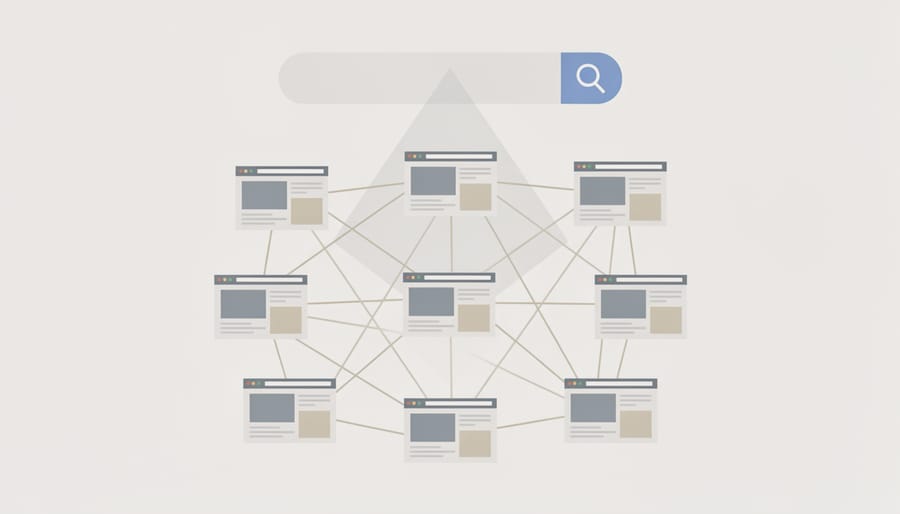
How PBNs Differ From Legitimate Link Networks
Legitimate link networks connect publishers and advertisers to reach real audiences. A health site links to a nutrition study because readers care. A tech blog hosts a guest post from an engineer sharing actual expertise. The intent is editorial: serve the visitor, build authority, earn trust.
PBNs invert that logic. They exist solely to manipulate search rankings, not to inform readers. The “network” is hidden—domains registered through privacy services, hosting scattered across providers, content templated or spun to look unique. No genuine audience reads these sites; they’re digital props.
White-hat guest posting involves pitching relevant editors, writing original analysis, and disclosing author affiliations. PBNs skip negotiation entirely—you control both the linking and linked site, manufacturing endorsements. Search engines penalize this because it corrupts the signal they rely on: that links reflect genuine editorial judgment, not self-dealing.
The distinction matters for risk. Real networks survive algorithm updates because they serve users first. PBNs live on borrowed time, waiting for detection patterns to catch up.
Why Search Engines Consider PBN Links Manipulation
Google treats PBN links as a clear violation of its Webmaster Guidelines because they manufacture endorsements rather than earn them. The company’s position is straightforward: any network of sites built primarily to manipulate PageRank constitutes a link scheme, regardless of how well-disguised the footprint.
The 2012 Penguin algorithm update marked the beginning of systematic enforcement. Penguin specifically targeted manipulative link patterns, and PBNs represented exactly the artificial signals Google aimed to neutralize. Sites relying on PBN backlinks saw rankings collapse overnight as the algorithm identified unnatural link velocity, topical mismatches, and suspicious domain clusters.
Manual actions followed algorithmic penalties. Google’s Search Quality team now routinely identifies and deindexes entire private blog networks, often taking down hundreds of domains simultaneously. When a PBN is discovered, every site receiving links from that network faces potential penalties ranging from ranking suppression to complete removal from search results.
The core issue is intent. Search engines reward links that represent genuine editorial votes—when one publisher references another because the content adds value for readers. PBNs invert this model entirely: the link exists first, and thin content is wrapped around it as camouflage. This fundamental dishonesty explains why Google views PBNs not as a gray-area tactic but as outright manipulation.
Subsequent algorithm updates have only sharpened detection capabilities. Machine learning now identifies patterns human reviewers might miss, including hosting fingerprints, registration data correlations, and content similarity across supposed independent sites. The risk calculus has shifted decisively against PBN use.
The Real Risks of Using PBN Links

Detection Signals That Flag PBN Links
Search engines deploy pattern-recognition algorithms to spot PBN fingerprints across networks. The most obvious signal is identical WHOIS registration data—when dozens of domains share the same registrant name, email, or privacy service, it creates a detectable cluster. Shared IP addresses or C-class blocks raise similar flags, especially when multiple “unrelated” sites point links to the same target domain.
Content patterns matter too. Thin posts written solely to house outbound links, particularly those under 300 words with no engagement metrics, signal manipulation. Unnatural anchor text distribution—exact-match keywords in 80% of links rather than branded or URL anchors—contradicts organic linking behavior.
Traffic and interaction gaps expose fake ecosystems. Sites with zero direct visits, no social shares, and no inbound links except from the same network look like props rather than publications. Google’s algorithms cross-reference these signals: a domain on a shared IP with thin content and exact-match anchors pointing to your site compounds suspicion exponentially.
Temporal clustering amplifies detection risk. When ten domains registered the same week all link to your site within days, the coordination becomes transparent. Modern search quality systems don’t need to identify every PBN—they simply devalue link patterns that lack the organic chaos of real editorial relationships.
When PBN Links Might Seem Tempting (And Why That’s a Trap)
PBN links often seem like the shortcut you’ve been searching for, especially in three common scenarios. First, brand-new sites struggle to attract legitimate backlinks, making manufactured authority look efficient. Second, ultra-competitive niches—think finance, legal services, or supplements—demand rapid ranking improvements when organic outreach feels impossibly slow. Third, tight budgets push marketers toward cheap bulk packages instead of investing in sustainable editorial placements.
Each temptation disguises a false economy. New sites gain nothing if Google deindexes them before they build real traffic; the “quick win” becomes a permanent setback. Competitive niches already face intense algorithmic scrutiny, making detection nearly certain rather than unlikely. Budget constraints worsen when penalty recovery costs—technical audits, disavow files, content rewrites—far exceed the initial PBN spend.
Safer alternatives exist at every price point: guest posting on genuine niche blogs, contributing expert quotes to journalists through HARO, earning digital PR through original research, or partnering with complementary brands for co-marketing. Even transparent PBN testing strategies within controlled sandboxes carry less risk than deploying networks across money sites.
The trap closes when short-term ranking gains feel validating—until they vanish overnight. Google’s patience for manipulation has effectively ended; the question isn’t whether risky networks get caught, but when. Sites surviving today may already sit in algorithmic penalty queues awaiting the next core update.
For researchers and strategists: temporary advantages never justify permanent vulnerability.
Safer Alternatives That Build Real Authority
What Transparent Link Services Offer Over PBNs
Transparent link services occupy the space between slow manual outreach and risky PBNs by surfacing data upfront. Before you commit, you see domain authority, traffic estimates, topical relevance, and publication history—no hidden network footprints or expired domains resurrected overnight. This visibility lets you evaluate whether a placement will withstand algorithmic scrutiny.
Post-purchase editability matters when algorithms shift or your messaging evolves. Unlike static PBN posts locked behind expired logins, reputable services let you update anchor text or surrounding copy, keeping links aligned with current best practices and reducing the stale-content signals that trigger manual reviews.
Natural content integration separates performant links from penalties. Writers craft niche-relevant placements within editorial articles that readers actually consume, not templated blog posts designed solely to pass PageRank. The editorial oversight means links sit beside genuine reporting or analysis, blending into the site’s existing content rhythm rather than announcing themselves as paid insertions.
No hidden networks removes the catastrophic downside. Each publication operates independently—distinct ownership, hosting, and editorial voice—so a penalty on one site won’t cascade across your entire backlink profile. You’re building a diversified portfolio, not a house of cards sharing the same IP range and WHOIS data that Google’s spam classifiers flag in seconds.
How to Audit Your Existing Link Profile for PBN Exposure
Start by exporting your complete backlink profile from tools like Ahrefs, Semrush, or Moz. Look for clusters of links sharing identical IP addresses, WHOIS registration details, or hosting providers—these patterns suggest coordinated networks rather than organic mentions.
Next, examine referring page quality systematically. Open a sample of linking pages and check for thin content, excessive outbound links to unrelated niches, generic anchor text distributions, or pages that exist solely to pass PageRank. PBN sites rarely invest in genuine user experience, so missing contact pages, placeholder About sections, and stock photography are red flags.
Use Google Search Console to cross-reference which links Google has actually indexed. Many PBN operators use noindex tags or robots.txt to hide their networks from crawlers while claiming the links remain active—these provide zero SEO value and signal deception.
Filter your backlink list by domain authority or trust metrics. Links from domains with suspiciously inflated metrics compared to their actual traffic or content quality often indicate manipulated profiles. Check whether referring domains link to each other in circular patterns, another footprint of coordinated networks.
For any domains you flag as suspect, compile them into a disavow file and submit through Google Search Console. Act proactively rather than waiting for algorithmic detection—manual penalties take months to recover from, while preemptive disavows demonstrate good faith efforts to maintain a clean profile.
Document your audit process and schedule quarterly reviews. PBN operators constantly rebuild networks, so ongoing monitoring catches new toxic links before they accumulate risk.

PBN links promise quick ranking wins, but they mortgage your site’s future against algorithm updates and manual reviews. Every expired domain and footprint you leave becomes a liability the moment search engines refine their detection systems. The question isn’t whether Google can catch PBNs—it’s when your network enters their crosshairs and what you lose in the process.
Sustainable link building takes longer but compounds differently. Editorial mentions, digital PR, and genuine partnerships create assets that appreciate as your content ages and your brand grows. These approaches align with how search engines reward authority: through earned trust, not engineered signals.
If you’re weighing PBN services against transparent alternatives, consider the lifespan of your project. Short-term experiments might tolerate the risk. Long-term businesses cannot. Invest in strategies that become stronger under scrutiny—the kind that survive algorithm shifts because they’re built on actual value exchange, not manipulation. Your rankings should rest on foundations you’d be comfortable explaining to any auditor, human or algorithmic.

