

Linkable Assets That Actually Earn Links (Without Begging)

So here’s the deal. A linkable asset is content built so other sites cite it without your asking, research, tools, frameworks, or reference resources that solve a real problem better than anything else in the niche. The mechanics matter because passive link attraction compounds in ways manual outreach never does: one well-scoped data study can pull dozens of natural links over months while you sleep. This guide walks through what actually earns links (and what just collects compliments), how to scope an asset before you sink three weeks into it, and the promotion moves that turn a finished asset into a backlink magnet.
What Makes an Asset Linkable

A linkable asset is content other sites cite because citing it makes their own work look better. That’s the entire definition. Well, mostly. Everything else, the format, the length, the visual polish, is in service of that one job. If a writer at a trade publication can’t credibly say “according to [your asset]” in their next piece, the asset isn’t linkable yet, no matter how much effort went into it.
Quick vocabulary
- Linkable asset
- Content built specifically to be cited by third parties, original research, interactive tools, definitive guides, statistics roundups.
- Data study
- Proprietary analysis of a dataset (your own or a public one) that produces benchmark numbers writers can quote.
- Original research
- Survey, behavioral study, or experiment yielding numbers that didn’t exist before you ran it.
- Interactive tool
- Calculator, configurator, or quiz that solves a discrete problem in the browser, infinitely embeddable.
- Statistics roundup
- Curated, cited collection of third-party statistics on a topic. Earns links from anyone needing a stat for an intro paragraph.
- Definitive guide
- The longest, clearest, most navigable explainer on a topic. Earns links when it replaces a writer’s need to explain a concept from scratch.
The concept matters because the alternative, ad-hoc outreach, hits a ceiling fast. You can pitch a hundred editors per week with willpower; you can’t pitch a thousand. A well-built asset works while you’re asleep, in your inbox, and on a holiday weekend (in most cases, yes, including the holiday weekend). One compelling data study can generate dozens of natural links over months, and the links keep arriving long after the original launch outreach has gone quiet.
Build the asset other sites cite even without your asking.
Three attributes show up in nearly every asset that earns links at scale: data or insights unavailable elsewhere, immediate practical utility, and frictionless embeddability or citation. Strip any one of those and the link-earning curve flattens fast. (We had a glossary in 2023 that nailed two of the three, no embed mechanics anywhere, and it pulled maybe four links in 18 months. Painful lesson.) A landing page that hits all three answers the question “why would another site send their audience here?” within seconds of someone landing on it.
Original Research and Data
Original research earns links because it offers something no one else has: fresh, attributable numbers. When you publish survey results, proprietary benchmarks, or behavioral studies, journalists, analysts, and content creators cite you as the primary source. An annual state-of-the-industry report becomes a reference point; a user-behavior analysis revealing an unexpected pattern gives writers a newsworthy angle they couldn’t manufacture on their own.
Pro tip
Industry benchmark reports outperform almost every other research format because they let readers compare their own metrics against peer averages. Anyone writing about your topic in the next 18 months will need a benchmark number, you want to be the source they reach for. Moz has documented this pattern across digital-PR campaigns for years.
The mechanics are simple: data supports arguments, and editors prefer citing original sources over derivative summaries. User studies that quantify an emerging trend or challenge conventional wisdom generate discussion and attribution by default. (I’ve watched a single 400-respondent survey pull 40+ referring domains over a year. The dataset wasn’t huge, the angle was.) If your numbers answer questions your competitors can only speculate about, you become the default citation in your niche.
Visual and Interactive Formats
Visual assets earn links because they collapse complex information into something a publisher can use without writing their own explanation. Infographics distill research or processes into scannable graphics that other sites cite when covering related topics. Interactive tools, calculators, configurators, quizzes, solve specific problems and invite repeated visits; a mortgage calculator or a salary-comparison tool naturally attracts backlinks from finance blogs and forums for years on end.
Embeddable widgets are the multiplier. Let other sites integrate your asset directly and you’ve created an attribution link that compounds with every new embed. Charts and data visualizations travel well on social platforms, amplifying reach beyond your initial audience, but the link earnings come from the embed, not the share. Make your asset responsive, provide a simple embed code (iframe with a width parameter and a credit line), and include clear attribution guidelines so the linkers don’t have to guess.
Comprehensive Resource Pages
Comprehensive guides earn links when they genuinely save readers hours of research. A definitive glossary for a complex niche, blockchain terms, UX patterns, legal frameworks, becomes the reference standard if it’s clearer and more complete than every scattered alternative. Curated directories work when the curation is rigorous: hand-picked tools with honest, opinionated assessments beat auto-generated lists every time.
Note
The value bar for an aggregation asset is high. It earns links only when it filters, organizes, or explains better than the reader could manage alone. A list of 100 tools without commentary is content; a hand-picked top-12 with honest pros and cons is an asset.
The audience pattern is consistent: researchers hunting authoritative sources, practitioners needing a vetted starting point, writers covering a topic they don’t deeply know. These assets compound authority over time, every update earns a fresh round of links, and the page becomes harder for competitors to displace the longer it sits indexed.
Asset Types Side by Side
The five formats above don’t behave the same way. They earn links at different speeds, demand wildly different maintenance budgets, and decay on different timelines:
| Asset type | Earning velocity | Maintenance cost | Decay rate |
|---|---|---|---|
| Original research / data study | Fast (weeks 1, 12 if pitched right) | Low until refresh, then high (re-run the survey) | Steep after 12-18 months unless re-run annually |
| Interactive tool / calculator | Slow start, compounds over years | Moderate (browser compatibility, formula updates) | Very low if the underlying math holds |
| Statistics roundup | Moderate, accelerates once it ranks | High (annual re-citing of every source) | Fast if not maintained, slow if updated yearly |
| Definitive guide | Slow (3-6 months to start pulling) | Low to moderate (biannual content refresh) | Very slow, often the longest-lived asset |
| Infographic / data viz | Fast at launch, drops sharply after 90 days | Low (one-shot production) | Fast, often within a year |
Honestly though, the decay column is where most teams misjudge the math. An infographic that earns 30 links in its first month feels like a win, but if it pulls nothing after month four, the lifetime link-per-hour return is probably worse than a definitive guide that pulls one link a week for three years. Plan the asset for the timeline you can actually wait for.
Creating Assets That Match Your Niche
Finding Link-Worthy Angles
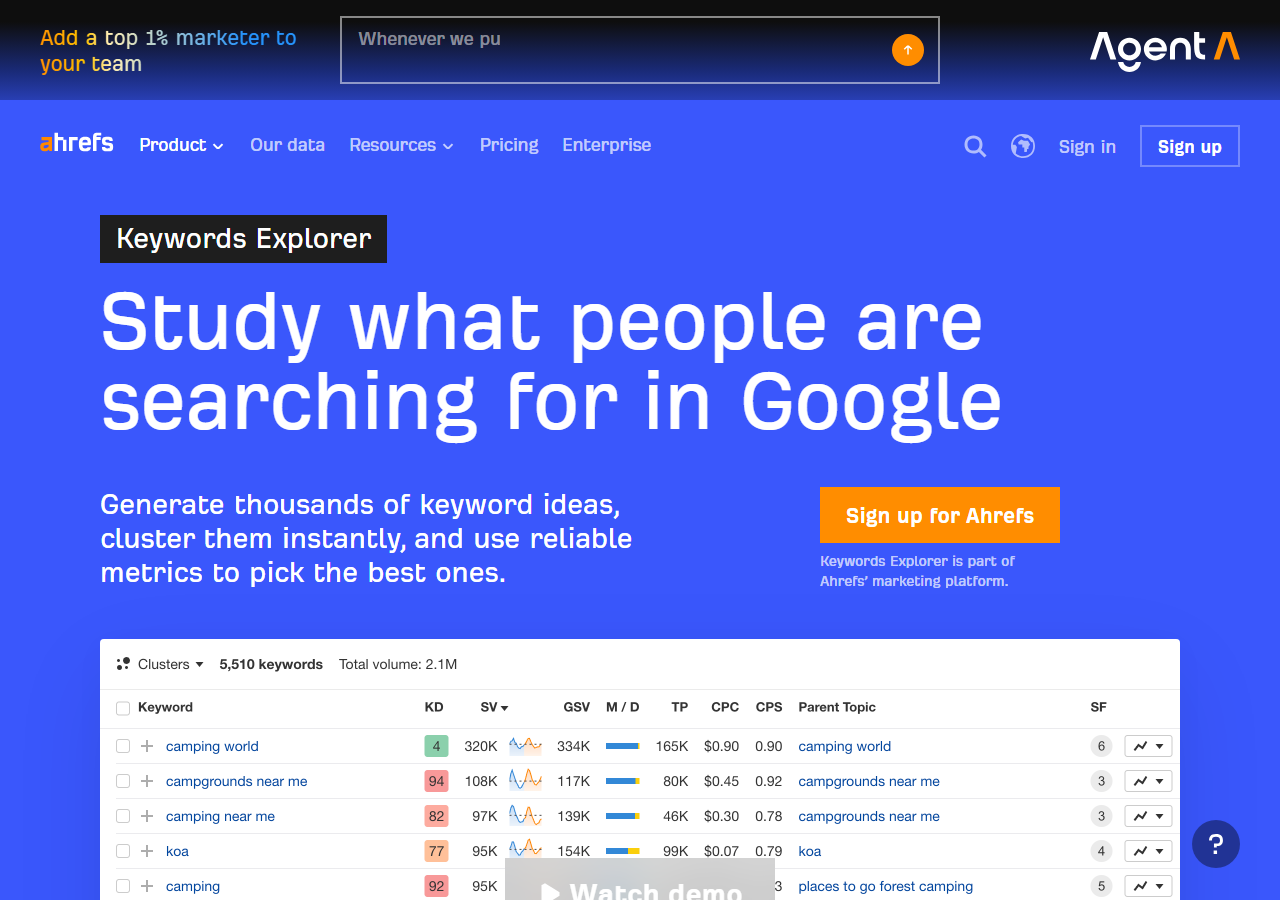
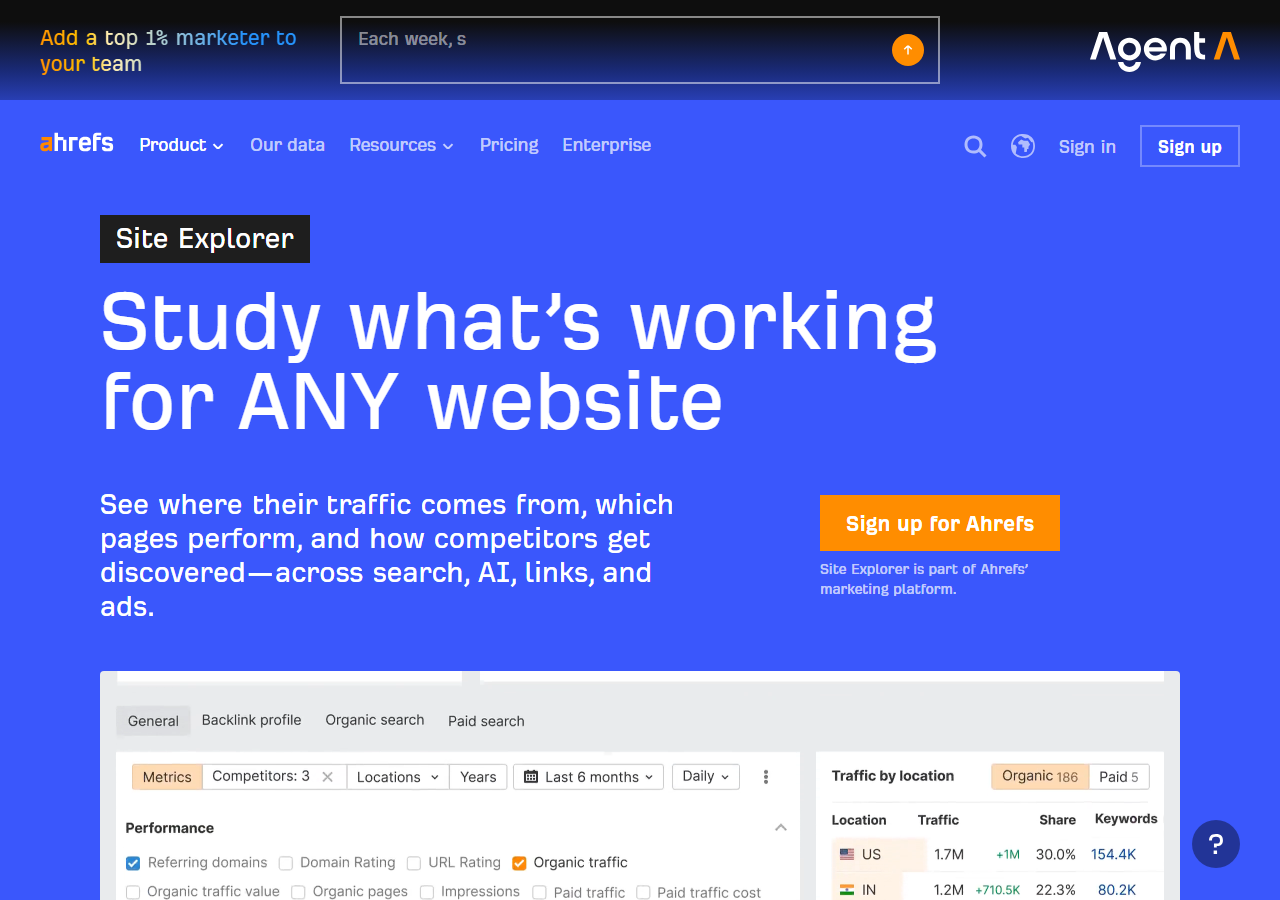
Before you build, figure out what’s worth building. Start with competitor gap analysis: scan the top-linked content in your niche using Ahrefs Site Explorer or Backlinko’s link-building playbook as a reference frame, then identify topics where existing resources fall short. Outdated data, poor design, missing angles, or a 2,000-word page that should be 8,000. Look for posts with hundreds of backlinks but thin content. That’s your opening.

Next, mine search data. Use a keyword tool to spot high-volume queries with few quality answers, and check “People Also Ask” boxes for unmet information needs. SimilarWeb’s keyword research workflow is a decent starting framework if you don’t already have one. Google Trends reveals rising topics before they saturate, and the 12-month moving average tells you whether you’re chasing a spike or a curve.
Social listening uncovers frustration points the search data misses. Monitor Reddit threads, X conversations, and industry Slack channels where your audience complains about missing resources or asks the same question for the fifth time. Screenshot common pain points (literally, drop them in a doc), they signal demand far more reliably than keyword volume.
Asset-creation pipeline
Tactical checklist: pick three competitor assets with strong link profiles, list what they lack, cross-reference against search volume for related queries, validate demand by finding at least five recent social mentions of the same problem. Choose the intersection of all three signals. That’s your link-worthy angle. Everything else is a gamble dressed up as a content brief.
Scoping Effort vs. Impact
The biggest mistake is building an asset no one wants to link to. Before investing weeks in production, test the core idea with the minimum possible effort. Create a sketch version, a basic prototype, a sample dataset, a wireframe, and share it with five to ten people in your target audience. (We once spent three weeks building a “definitive” pricing-benchmark page for a niche where the audience didn’t care about pricing transparency at all. Zero outside links. The post still sits there, fully indexed, completely ignored.) Watch whether they forward it, bookmark it, or ask when the full version ships. Silence is data too.
Validate the demand signals early. Search existing link patterns: if similar assets earned links from industry blogs, trade publications, or resource roundups, yours likely will too. Check social shares and forum discussions around comparable content. If the topic generates zero conversation, reconsider. Look, sometimes the answer is “this would be a great asset but no one cares about it yet”, that’s an audience-building problem, not an asset problem, and the two don’t solve the same way.
Balance polish against speed. A clean, functional calculator beats a perfect one that ships three months late after competitors have already filled the gap. Ship the minimum viable asset that delivers real utility, then iterate based on which elements actually attract links. Track referral sources weekly during the first month to identify what resonates. (We shipped a comparison tool once with three obvious bugs and earned 12 links in the first two weeks. Bugs got fixed in week three. Nobody mentioned them.)
Set a time budget before starting. Actually, write the budget down somewhere visible. If an asset can’t reach usable quality within your limit, narrow the scope or pick a different concept. Sunk-cost is real and, in my experience, it kills more linkable assets than bad outreach does.
Promotion Tactics That Work
Outreach Without Spam
Once you’ve built a genuinely useful asset, reach only the sites that would actually benefit from linking to it. Start by identifying content that already links to similar resources or mentions the problem your asset solves. These are warm prospects, the writers and editors have already proven they cite this topic.
Personalize each pitch by explaining precisely why your asset fits their existing content. Reference the specific paragraph, data gap, or reader question it addresses. Generic templates get ignored; effective outreach shows you’ve actually read their work and aren’t just blasting a list. (I’ve seen response rates triple on the same offer when the first line changes from “I love your blog!” to “Your March 4 piece on X mentions Y stat, I just published a 2025 dataset on the same thing.”)
Time matters. Reach out when they’re actively updating content or writing about related topics. Monitor their publication schedule using RSS feeds or social channels, the cadence is more visible than you’d expect for most niche publications.
Watch for
Keep the initial email under 100 words. State what you built, why it’s relevant to their piece, and stop. No follow-up pitches about “just checking in.” If the asset truly adds value, one reminder after seven days is enough.
Look, track who opens but doesn’t respond. They may bookmark for future updates. When you enhance the asset with new data or features, that’s your reason to reconnect with genuine news, not pressure. Most teams burn this signal by following up too aggressively, and to be fair, for most teams, the second email is the one that gets them blacklisted.

Using Link Placement Services Strategically
Paid link placement can accelerate visibility for strong assets when DIY outreach hits its ceiling. Look for services that offer transparency in site selection, niche relevance to your audience, and full editorial control over anchor text and context. Avoid networks that obscure where your links appear or demand generic content.
Strategic placement in topically aligned publications delivers compounding value as your asset evolves. Choose platforms that allow link updates so you can point to improved versions of your content without repeating outreach. This iterative approach turns single placements into long-term referral sources. Worth the budget for teams who’ve validated their asset through organic traction first, premature for anyone who hasn’t earned at least one organic link yet.
Monitoring and Amplifying Success
Once your asset is live, set up Google Alerts and a backlink monitoring tool to see who links without asking. These unlinked mentions are low-hanging fruit, reach out with a polite note and a direct link.
Use analytics to track performance: which sections attract links, what anchor text people use, which promotion channels deliver. Refresh underperforming assets every six to twelve months with new data, updated examples, or expanded scope. High-performing pieces justify follow-up content, turn one strong guide into a series. Momentum compounds when you treat assets as living resources, not one-and-done projects.
Common Mistakes That Kill Link Potential
Even well-intentioned assets fail to attract links when common errors obscure their value or repel potential linkers. The recurring patterns:
Self-promotional tone is the fastest killer. If your asset reads like a product pitch or company brochure, publishers won’t reference it, they need neutral, credible resources their audiences will trust. Fix: strip out brand mentions, marketing language, and CTAs from the core content. Save promotional elements for a discrete footer or sidebar.
Poor design undermines authority before anyone reads a word. Cluttered layouts, tiny fonts, broken mobile views, amateur graphics. Every one of those signals low quality to a writer deciding whether to cite you. Fix: invest in clean, professional presentation. Use whitespace generously, choose legible typography, and test across devices. Even a plain spreadsheet, honestly, benefits from thoughtful formatting.
Outdated data destroys credibility instantly. A 2019 statistic in 2026 tells linkers you don’t maintain your work. Fix: date-stamp your research prominently, commit to annual updates, or focus on evergreen frameworks that don’t rely on time-sensitive numbers. Add a visible “Last updated” notice at the top of the page.
Burying the value costs you links from time-constrained publishers. If your key insight appears only after three scrolls and five paragraphs of preamble, most potential linkers will bounce. Fix: lead with your strongest data point, visual, or finding. Place a key-takeaways box at the very top. Make the asset’s utility obvious within five seconds.
Each mistake is fixable with deliberate editing and user-first thinking. Review your asset through a skeptical editor’s eyes, not your creator’s pride.
Keeping Assets Fresh
Linkable assets decay. Data goes stale, design trends shift, competitors publish newer versions. Without maintenance, your once-powerful asset slowly loses its link-earning potential and the backlinks pointing to it become less valuable.
Set a review cadence based on asset type. Interactive tools and calculators need quarterly checks to ensure functionality across browsers and devices. Data-driven reports and statistics demand annual updates or risk obsolescence. Evergreen guides benefit from biannual refreshes that incorporate new methods and prune outdated advice.
Version your updates strategically. When refreshing a research report, publish it as “2026 Edition” and update the URL or redirect the old version. This signals freshness to potential linkers while preserving existing backlinks. For tools, maintain a changelog that demonstrates ongoing improvement, writers checking whether your asset is actively maintained will see it.
Repurpose high-performers into new formats. A popular guide can become a video tutorial, an infographic series, or a downloadable template pack. Each derivative asset creates new link opportunities while reinforcing your authority on the topic.
Pro tip
Track which assets earn links over time and double down on winners. If one piece consistently attracts organic backlinks, promote updated versions through targeted outreach. Mention the refresh when reconnecting with sites that linked previously, they may update their reference or share the new version.
Fresh assets maintain strategic control. When you own current, credible resources, you determine where your links live and how your brand appears across the web. Stale assets cede that control to whoever publishes the next version.
Worth Building vs Skip It
Not every content idea deserves to become a linkable asset. The honest filter:
✓
Worth building when
- ›Existing top-linked content on the topic has visible gaps
- ›You have access to data or a perspective competitors don’t
- ›Prototypes get genuine “when can I use this?” reactions from 5+ readers
- ›The topic generates regular search and social conversation
- ›You can commit to maintaining the asset for at least 18 months
✗
Skip it when
- ›The topic has zero existing search or social signal
- ›The asset would be near-identical to two competitors’ versions
- ›You can’t articulate the citation hook in one sentence
- ›The format requires maintenance budget you don’t have
- ›It’s actually a product brochure dressed up as a guide
Honestly, the most common failure mode isn’t choosing the wrong format, it’s choosing a topic that no one in your niche is actively discussing. A great asset on a dead topic earns the same number of links as a bad asset on a dead topic. Zero.
Putting Linkable Assets to Work
Start with what you already have. Audit your existing content for pieces that solve real problems, contain original data, or explain complex topics clearly. Look for posts with steady organic traffic or social shares, those already show link-worthy potential. Pick the strongest candidate and decide whether to expand it with fresh research, add visual assets like charts or infographics, or repackage findings into a downloadable resource.
Then build one new asset aimed at a specific audience need. Choose a format you can execute well. A how-to guide with screenshots, a comparison table, or a data visualization. Truth is, quality usually beats novelty, a thorough, accurate resource outperforms a flashy but shallow one almost every time.
Creation is half the work. Promotion determines whether anyone discovers your asset. Share it in relevant communities, email it to people you cited or interviewed, and run targeted outreach to sites covering similar topics. Track which channels drive referrals and double down on what works.
Try it this week
Pick one existing post. Upgrade it into an asset someone would cite.
-
1
Pull your top 10 posts by organic traffic. Pick the one with the clearest “useful but incomplete” gap. -
2
Add one thing competitors don’t have, a comparison table, a calculator, a fresh dataset, or a downloadable template. -
3
Email five people who linked to a competitor’s similar piece. Mention the upgrade, not the asset’s existence.
Track which of the five replies. That’s your real starting point, an asset with a confirmed first linker is worth ten with none.
Related guides
- Smart Prospecting Frameworks, How to identify the prospects who’ll actually link to your asset before you start outreach.
- Outreach Templates That Work, The personalization patterns that turn a 2% response rate into something closer to 12%.

