

Quality Guest Posts Actually Pay Off, Here’s How to Measure What Matters

Stop counting backlinks and start tracking revenue per placement. Honestly, most guest post ROI calculations measure the wrong things (at least, that’s what I’ve seen on the campaigns I’ve audited): domain authority scores and referral traffic vanish into spreadsheets while actual business impact remains invisible. The distinction matters: a guest post on a mid-tier site that generates three qualified leads outperforms a vanity placement on a major publication that drives zero conversions.
Reframe quality around three measurable dimensions. First, conversion path attribution, which placements actually appear in your customers’ journeys before purchase. Second, link flexibility, whether you can update anchor text and destinations as your strategy evolves, or whether you’re locked into static links that lose relevance within months. Third, audience alignment, not traffic volume, but whether readers match your ideal customer profile and take meaningful actions. For most teams, that third dimension is the one that gets skipped.
The framework below walks through specific measurement methods, introduces ROI calculation templates that connect guest posts to pipeline value, and demonstrates why link editability transforms guest posting from a one-time tactic into a compounding strategic asset.
What Makes a Guest Post ‘Quality’ (Beyond Domain Authority)

Quick vocabulary
- Topical trust
- How consistently a site publishes authoritative content in a specific domain. Compounds into rankings far more reliably than a headline DA number.
- UTM parameter
- A query string appended to a link (
?utm_source=...) that lets GA4 isolate traffic by individual placement instead of lumping all referrals together. - Data-driven attribution
- GA4’s model that splits conversion credit across every touch in a customer path, essential for guest posts that assist conversions weeks before they close.
- Engaged session
- A GA4 session lasting at least 10 seconds, with a conversion event, or with at least two pageviews. The honest replacement for the old bounce-rate metric.
- Living link
- A guest post placement where anchor text and destination URL can be updated after publication, so the link adapts as your strategy evolves.
Relevance Beats Authority Every Time
Domain Authority matters less than topic alignment. In most cases, a guest post on a DA 35 cybersecurity blog will outperform one on a DA 60 general business site if you sell penetration testing services. Search engines measure topical trust (how consistently a site publishes authoritative content in a specific domain), and that trust is what compounds into rankings, not the headline DA number.
Concrete example: A fintech startup placed guest posts on both TechCrunch (DA 93, general tech) and a niche financial compliance blog (DA 28). The compliance blog drove 4× more qualified demo requests and ranked the linked page for “regulatory reporting software” within three weeks. The TechCrunch link generated traffic but minimal conversions.
A guest post on a mid-tier site that generates three qualified leads outperforms a vanity placement on a major publication that drives zero conversions.
Topical trust compounds over time. Slowly, but it compounds. Links from sites that share your semantic territory signal relevance to both algorithms and human readers who actually need your solution. Look for vertical blogs, industry association sites, and specialized publications where your expertise fits naturally rather than chasing vanity metrics.
Natural Placement vs. Forced Insertion
Natural placement reads like editorial content, the link appears where readers naturally look for supporting evidence or deeper exploration. The author cites your resource because it genuinely strengthens their argument, not because you paid for a mention. Editorial placement is the heart of what Google’s link-spam policies distinguish from paid manipulation: the link has to earn its position through editorial judgment, not transactional intent.
Forced insertion breaks reading flow. Anchors like “best project management software” appear mid-sentence in unrelated paragraphs, often with awkward phrasing that signals transactional intent. Users skip past these injections; search engines discount them. The gap between natural and forced widens when you measure referral engagement, natural placements send visitors who stay, forced links generate three-second bounces.
Watch for
Four forced-insertion markers worth flagging in any draft you review: anchor text that doesn’t match surrounding topic, links dropped into introductions before context exists, multiple commercial anchors in a single post, and relevance mismatch between linking paragraph and destination page. Each marker reduces both algorithmic trust and actual reader clicks.
Look, detection markers undermine the ROI metrics that matter: both algorithmic trust and actual reader clicks fall when the placement reads as transactional. If you spot two or more of these in a draft a publisher sends you, send it back rather than letting the placement go live with patterns Google’s link evaluators already know how to discount.
The Three ROI Metrics That Actually Matter

Most teams over-measure the wrong things and under-measure the right ones. The 3-card row below is the short list, what actually predicts whether a placement was worth the outreach effort.
Referral Traffic Quality Over Quantity
Track UTM parameters on every guest post link to separate referral sources in GA4. Tag each placement with campaign, source, and medium parameters so you can isolate traffic by individual publication rather than lumping all referrals together. GA4’s data-driven attribution can then split conversion credit across the touches in a path (GA4 changed how this model works in 2023, so older guides may mislead), which matters because guest-post visits often assist conversions weeks before they close.
In GA4, build segments comparing engaged session rate, average engagement time, and conversion completion between guest post sources. A site sending 50 visitors with 8% conversion beats one delivering 500 visitors at 0.5% conversion. Map multi-touch attribution paths to see which placements assist conversions even when they don’t close directly.
Check audience overlap using demographic and interest data, traffic from a finance blog should match your buyer profile if you sell accounting software. Review bounce rate and pages per session as proxies for topical fit. If visitors leave immediately or never explore related content, the audience mismatch signals a poor-quality placement regardless of domain authority. Quality referrals behave like your organic search visitors: they stay, explore, and convert at comparable rates.
Ranking Lift Attribution
Isolating guest post impact from organic algorithm updates, seasonal trends, and concurrent marketing efforts requires temporal correlation analysis. Track target keyword rankings daily starting two weeks before publication through eight weeks after, noting the exact publication timestamp. Compare ranking movement velocity before and after the post goes live, a genuine lift typically appears within 5–14 days and persists beyond initial volatility.
Pro tip
Control groups strengthen attribution confidence. If you published three guest posts in January, identify three similar keywords you’re targeting but didn’t build links to that month. Their trajectory becomes your baseline. Meaningful lift shows 15+ percentage point ranking improvement versus controls over 30 days.
Without this rigor, you’ll credit guest posts for gains driven by site-wide technical fixes or algorithm shifts, wasting budget on placements that never moved the needle. I’d argue this is the single most common attribution mistake in link-building reports.
Link Longevity and Update Flexibility
A guest post link placed in 2022 pointing to your “best WordPress plugins” guide loses relevance when your strategy shifts to SaaS comparison content in 2024. Static backlinks anchor your domain to yesterday’s priorities, diluting topical authority as your actual content evolves. Most SEOs respond by acquiring more links, expensive, slow, and still backward-looking.
Living links solve this by updating anchor text and destination URLs as your focus changes. When you pivot from WordPress to no-code platforms, the same editorial placement adapts without new outreach, you measure ROI against current goals rather than frozen campaigns, and a single placement keeps earning its cost across multiple strategy cycles.
Measuring Link Impact Without the Guesswork
Setting Up Proper Link Tracking
Track individual guest post links at the source level, not just domain-wide metrics. Build custom UTM parameters for each placement: append ?utm_source=publicationname&utm_medium=guest-post&utm_campaign=q1-outreach to every link you place. This lets you isolate traffic, conversions, and revenue per article in Google Analytics rather than guessing which posts delivered.
Guest post measurement workflow
Create dedicated referral segments in your analytics platform to monitor each guest post URL separately. Set up automated reports that track clicks, time on site, bounce rate, and conversion events tied to specific source URLs. This baseline reveals which placements drive engaged visitors versus hollow pageviews.
Monitor ranking changes at the page level, not just your homepage. Use rank tracking tools to watch how your target landing pages move for key terms after each guest post publishes. Connect ranking lifts to specific backlinks by comparing timeline data: publication date against SERP position shifts. This attribution separates correlation from causation and shows which editorial relationships actually move needles.
The 90-Day Impact Window
Guest post ROI doesn’t arrive overnight. Most quality placements require 60 to 90 days before meaningful signals emerge in your analytics.
| Window | What’s happening | What you should see | Decision |
|---|---|---|---|
| Weeks 1–3 | Indexing and initial crawl activity | Minimal ranking movement; a trickle of referral clicks | Do nothing. Resist the urge to declare it a flop. |
| Weeks 4–8 | Search engines assessing linking domain’s relevance | Secondary keywords shifting; host audience discovering your contribution | Confirm UTMs are firing; check engaged session rate. |
| Days 60–90 | Trust signals compound across the linked page | Primary target keywords gain momentum; first conversions land | Score against control set. Replicate the win or kill the spend. |
| Day 90+ | Click-through rates adjusting to your new SERP position | Traffic catching up to ranking gains; brand-name searches lift | Lock in the relationship for repeat placements. |
This delay makes testing link strategies before committing budget essential. Running small experiments helps you identify which guest post placements drive actual movement versus those that look impressive on paper but deliver no traffic or ranking lift.
Traffic shifts lag even further behind ranking improvements. A post that moves you from position twelve to position six may not triple your clicks immediately; user behavior and click-through rates adjust gradually as your brand gains visibility in results.
Patience separates strategic link builders from those chasing vanity metrics. Set measurement checkpoints at 30, 60, and 90 days rather than evaluating success after one week.
When Guest Posts Fail (And What the Data Tells You)

Red Flags in Post-Placement Analytics
Watch for these concrete signals that a guest post placement isn’t delivering value. Traffic that vanishes within 72 hours, a bounce rate above 85 percent with average session duration under ten seconds, suggests the audience or context is mismatched. Zero engaged sessions after two weeks means the link attracts clicks but fails to generate any scroll depth, form fills, or secondary page views. Negative ranking correlation occurs when your target keyword positions drop within 30 days post-publication; this flags potential toxic backlink profiles or irrelevant anchor text.
The Cost of Inflexible Links
Static guest post links become liabilities the moment your business evolves. A company rebrand means every author bio link points to a dead domain or redirects through multiple hops, diluting link equity and confusing visitors. URL migrations from a product pivot leave dozens of guest posts pointing nowhere, each representing hours of outreach now generating 404s. Strategy shifts compound the problem: that SaaS guest post about feature X loses value when you sunset the product, yet the link remains, driving mismatched traffic forever.
The hidden cost is measurable. Here’s the thing: re-outreach to update 50 guest posts (actually closer to 47 once you drop the dead-domain ones from the list) takes 15–20 hours of manual work at $75–150/hour in opportunity cost, assuming publishers cooperate. Most won’t respond. Industry data suggests 60–70 percent of link update requests go unanswered, turning past guest posts into frozen assets you can neither leverage nor redirect as strategy demands. The average company changes positioning every 18–24 months, meaning static links decay faster than teams realize.
Building a Quality-First Guest Post System
Vetting Hosts Using Real Traffic and Topical Data
Domain Authority is a proxy, not a destination. When vetting potential host sites, look at what actually matters: organic traffic trends and topical relevance to your niche.
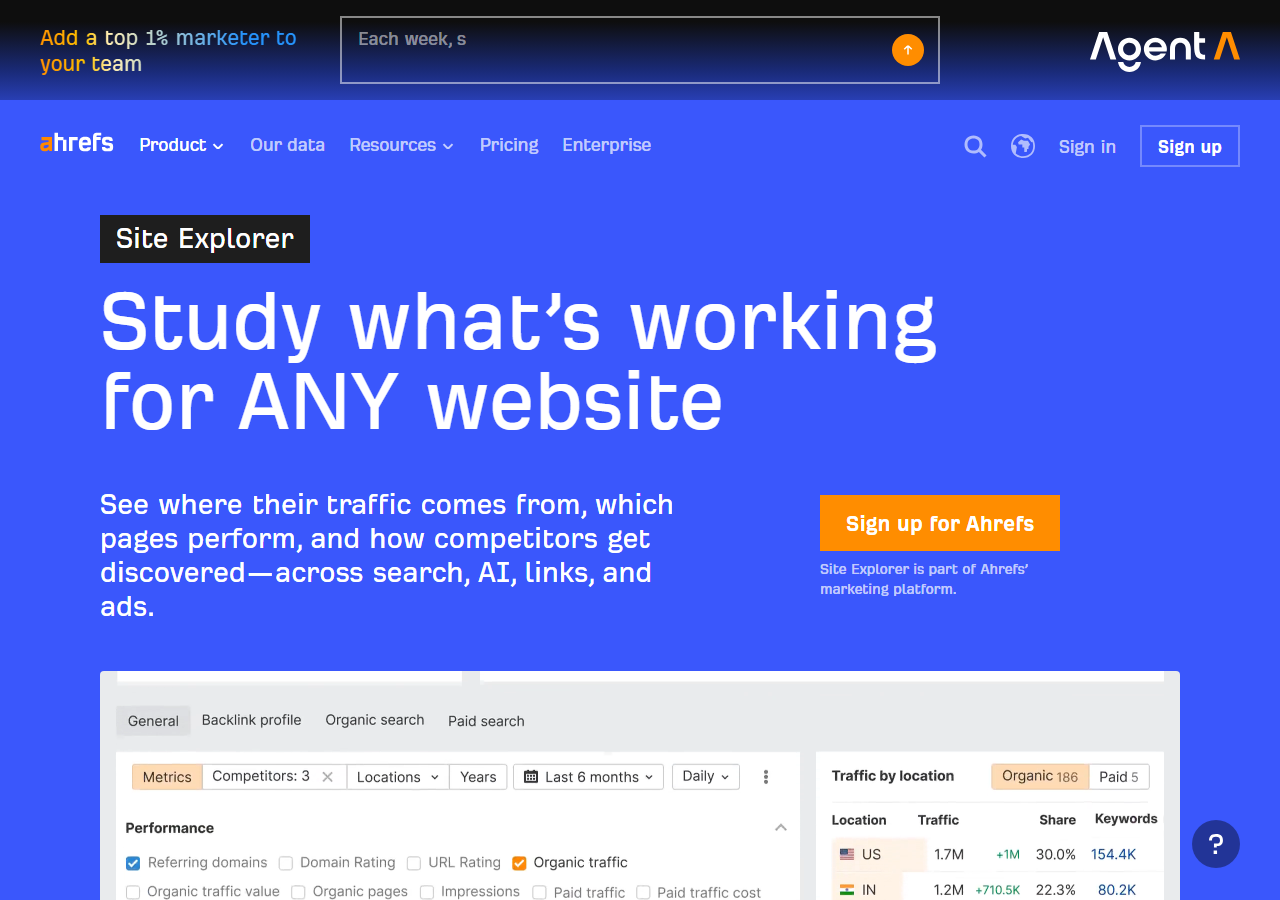
Start with Ahrefs or SEMrush to verify the site receives consistent search traffic in keywords related to your content. Declining traffic patterns signal algorithm penalties or audience drift. Check whether their top-ranking pages cluster around topics adjacent to yours, if you sell CRM software, a site ranking for “sales productivity” carries more contextual weight than one ranking for “remote work tips.”
For free alternatives, use Ubersuggest for basic traffic estimates or manually search Google for the site’s core topics to gauge SERP visibility. Scan their published content: Does it cite sources? Include author bios? Show evidence of editorial standards? Sites publishing thin, keyword-stuffed posts rarely deliver engaged readers or lasting link equity.
| Tool | What it answers | Cost | Best for |
|---|---|---|---|
| Ahrefs Site Explorer | Organic traffic trend, top pages, referring-domain profile | Paid | Confirming a host is on the way up, not coasting on legacy backlinks |
| SEMrush Organic Research | Keyword overlap with your own site; topical clustering | Paid | Measuring how closely a host’s traffic profile matches your ICP |
| Ubersuggest | Rough monthly traffic estimate | Freemium | Quick sanity check before deeper vetting |
| Manual Google search | SERP visibility for the host’s core topics | Free | Confirming what algorithms already think of the host |
| GA4 (your own) | Referral quality once the link is live | Free | The only tool in this row that scores the placement, not the host |
Traffic and topical alignment predict whether a link will send qualified visitors and carry algorithmic trust. The tools above aren’t substitutes for each other, they answer different questions at different stages, and any quality-first system needs at least one paid traffic tool plus your own analytics.
Why Post-Placement Control Matters
Most guest post links fossilize the day they publish, anchor text, destination URLs, and surrounding context all locked in place. When your product pivots, your target keywords shift, or a linked page moves, that static link becomes outdated infrastructure you can’t fix.
Note
This is exactly the gap hetneo.link’s homepage link subscriptions are built around, recurring placements on owned Canadian-domain sites where the anchor and destination stay editable as your strategy evolves. Same compounding logic as living links, just on infrastructure you control rather than negotiate with.
Post-placement control changes the math: you retain the ability to update anchor text, swap destination URLs, and refresh context without contacting site owners or negotiating edits. This flexibility turns each placement into a living asset that adapts to your strategy over time. The ROI compounds because a single earned placement can serve multiple campaigns across months or years, eliminating the need to chase new links every time your priorities shift. For teams managing dozens of placements, this control transforms guest posting from a one-time traffic spike into long-term strategic infrastructure.
Putting Quality Measurement to Work
Quality guest posts stop being gambles the moment you measure what matters. Traffic spikes and domain authority scores feel concrete, but revenue attribution, qualified lead generation, and customer acquisition cost tell you whether a placement actually works. The measurement framework you choose determines whether guest posting remains a cost center or becomes a predictable growth channel.
Honestly, the measurement is the part most teams quietly skip because building and maintaining the spreadsheet is its own job. That whole reporting layer is built into our managed link building program by default, the UTM hygiene, the per-placement revenue attribution, the 90-day decay curves, the comparison against a control cohort. The point of paying for a managed plan, frankly, is that the spreadsheet, and the analyst maintaining it, lives on someone else’s side.
✓
Measure obsessively when
- ›You’re spending $500+ per placement and need to justify the line item
- ›The same publisher is in your pipeline for repeat slots
- ›You’re testing a new niche or vertical for the first time
- ›Leadership is asking whether guest posts actually contribute to pipeline
- ›Ranking gains are stalling and you need to find which placements are dead weight
✗
Don’t bother measuring
- ›Within the first 14 days of publication
- ›If you never UTM-tagged the link at placement time
- ›Single one-off placements with no repeat potential
- ›Free placements where the only cost was 30 minutes of writing
- ›Brand-building placements where the metric is mention, not click
Start by defining one primary business outcome for each post, instrument your links to track that metric, and review performance monthly. When you measure guest posts like any other marketing investment, you can optimize, scale, and defend your budget with data instead of hopeful projections.
Build it into your workflow selectively. During regular link audits, queue placements for ROI review at the 60- and 90-day marks rather than scoring everything at once. Batch your reporting around the natural measurement windows above and you’ll stop wasting effort on placements that haven’t had time to deliver signal.
Try it this week
Score your three most recent guest posts against the 60-day window.
-
1
Open GA4 → Acquisition → Traffic acquisition. Filter toutm_medium = guest-postfor the last 90 days. Note engaged session rate per source. -
2
In your rank tracker, pull SERP positions for each linked target page from two weeks before publication through today. Compare against three keywords you didn’t build links to in the same window. -
3
Mark each placement Keep / Watch / Kill. Re-outreach the Keeps for repeat slots. Cancel pipeline spend on the Kills.
Three placements take roughly an hour. Doing this once teaches you more about your link program than three months of “we got a backlink” status updates.
Related guides
- PBN Links vs Guest Posts, When private blog networks beat editorial outreach (and when they don’t).
- Niche Edit Mechanics, How insertion-based link placement actually works inside existing articles.
- Measuring Link-Building Results, A simple monthly system that ties placements to traffic, conversions, and cost-per-link.


Comments (6)
The 90 day decay curve framing is what im taking back to our team. weve been reporting cumulative link counts and pretending thats a metric. switching reports tomorrow
Glad it landed. The decay curve is also useful as a kill-signal, if you’re not seeing the typical 30-60 day ranking response on placements above a certain DR threshold, that’s a signal to audit the placement quality, not to keep buying more. Most teams find this out the hard way after six months of flat results.
UTM tagging only works if the publisher doesnt strip them and half the bigger sites do. ive started asking for editorial commitment on UTM preservation as part of the placement terms but enforcement is patchy. anyone solved this?
$500/placement as the floor feels right for B2B SaaS but is way out of reach for SMB content. The measurement framework still applies for cheaper placements but the ROI math gets dicier when youre working with $80-150 placements. Wish the post addressed the long tail.
second read. the measurement is the part most teams quietly skip line in the closing section is uncomfortably accurate. we skipped it for two years 🙃
decay curve is a cute idea but rankings dont actually fall off like that in my data, theyre way noisier. the curve looks clean in the post because its averaged across placements which hides 90% of the actual signal. one of those things that sounds rigorous and falls apart in practice