

Latency Arbitrage: The Milliseconds That Make or Break Ping-Post Lead Profits

In pay-per-lead lead distribution, milliseconds create profit asymmetries. Latency arbitrage exploits the time gap between when a lead enters a ping-post system and when bid responses return—allowing faster buyers to cherry-pick high-intent leads before slower competitors see them, or enabling intermediaries to extract margin by winning auctions then reselling at higher prices during the response window.
Publishers lose revenue when aggregators route their best leads to speed-optimized buyers willing to pay less. Buyers overpay when intermediaries inject latency deliberately, creating artificial scarcity. The mechanics are simple: ping a lead to multiple buyers, capture their max bids, then post to whoever responded fastest or manipulate routing during the decision window.
Three variables govern exposure: ping timeout duration, network infrastructure quality, and bid response prioritization logic. Tighter timeouts favor technical sophistication over bid price. Geographic proximity to servers matters. Response parsing speed determines who wins ties.
This breakdown explains how latency creates market inefficiency, where exploitation occurs, and what both publishers and buyers can audit to detect or prevent margin leakage in real-time bidding environments.
What Latency Arbitrage Actually Means in Lead Distribution
The Ping-Post Timing Window
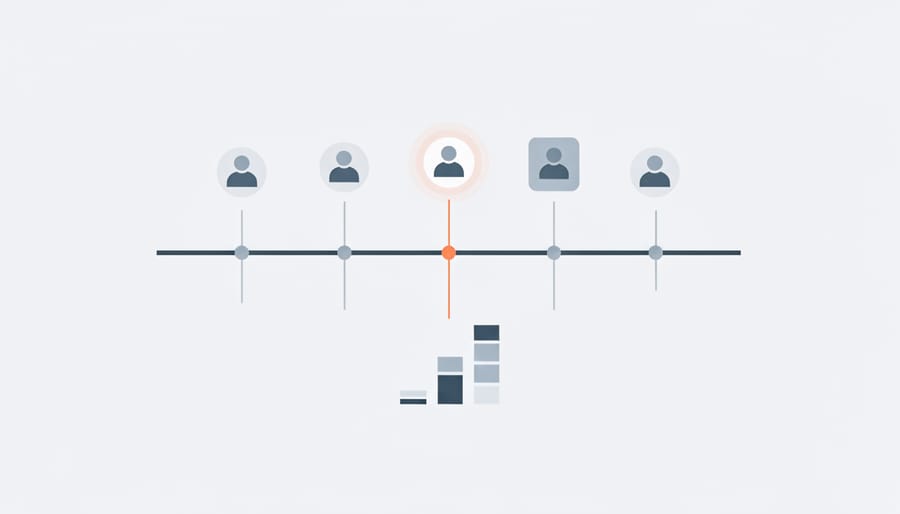
In a standard ping-post sequence, the aggregator pings buyers one at a time, typically starting with whoever historically paid the highest price. Buyer A gets 100 milliseconds to respond with a bid. If they accept, the full lead data posts immediately. If they decline or timeout, Buyer B gets pinged next.
This creates exploitable gaps. A technically faster buyer placed lower in the waterfall can receive the ping, evaluate the lead, and return a competitive bid before a slower premium buyer finishes processing their earlier ping. The aggregator now holds two live bids simultaneously—one from the intended first-choice buyer still deliberating, and one from a nimble secondary player who responded faster despite being pinged later.
The premium buyer assumes they have exclusive first look. They don’t. Their slow API, internal routing delays, or decision logic gives faster competitors time to enter the auction. Speed becomes pricing power. A buyer responding in 30ms consistently beats one taking 150ms, even when receiving the opportunity second. The sequential process that should protect bid priority instead rewards infrastructure investment and algorithmic efficiency over willingness to pay.
Where the Arbitrage Opportunity Appears
The profit window in latency arbitrage emerges in the milliseconds between when a lead is generated and when buyers can evaluate it. Lead aggregators ping multiple buyers simultaneously, but API response times vary—some systems reply in 50ms, others take 300ms or more. During that gap, the lead ages. A mortgage inquiry loses roughly 1-2% of its conversion value every second it sits uncontacted.
The arbitrage opportunities appear when aggregators exploit buyer latency hierarchies: fast responders with lower bids get deprioritized against slower premium buyers who never see the lead in optimal condition. Conversely, sellers with sub-100ms infrastructure can command rate premiums by guaranteeing fresh delivery. The delta between a lead’s peak value and its degraded state after network round-trips creates the extractable margin. Buyers with real-time decisioning engines pay more because they understand speed preserves intent. Those relying on queue-based scoring systems pay for stale inventory without realizing the penalty.
How Lead Aggregators Exploit Response Time Gaps
Parallel Pinging vs. Sequential Waterfalls
Sequential waterfall logic maximizes yield per lead by pinging the highest-paying buyer first, waiting for a response, then cascading down tier lists only after rejection. This approach secures premium pricing when top buyers accept but introduces cumulative latency—each timeout or decline extends total cycle time by hundreds of milliseconds. Parallel pinging eliminates wait states by broadcasting to multiple buyers simultaneously, capturing the fastest response regardless of tier. Speed trades against price discovery: parallel strategies reduce median sell time from 2–4 seconds to under 500ms, but may fill leads at mid-tier rates even when a premium buyer would have accepted. Profit implications hinge on conversion rate sensitivity. For time-sensitive verticals like solar or insurance where contact speed drives close rates, parallel pinging often yields higher net revenue despite lower per-lead pricing. Sellers optimizing purely for margin prefer waterfalls; those prioritizing throughput and buyer satisfaction lean parallel. Hybrid models ping top-tier buyers in parallel with a tight timeout, then waterfall through remnant inventory if all decline.
Timeout Manipulation and Early Cutoffs
Aggregators can manipulate auction mechanics by setting artificially short timeout windows that disqualify slower buyers before they submit bids. A platform might enforce a 200-millisecond cutoff knowing certain premium buyers require 300ms for credit checks or compliance layers. The lead then defaults to faster mid-tier buyers who bid less but respond within the window.
This approach converts technical infrastructure into competitive advantage. Buyers investing in fraud prevention or rigorous validation lose opportunities to speed-optimized competitors willing to sacrifice due diligence for response time. The aggregator benefits from higher fill rates while sacrificing per-lead revenue—often a worthwhile trade when volume compensates for margin compression.
Detection requires analyzing timeout settings against actual buyer response distributions. If 80 percent of high-value buyer timeouts cluster just above the threshold, the cutoff likely functions as intentional filtering rather than technical necessity. Buyers can negotiate custom timeout allowances or deploy edge compute resources to compress response latency below arbitrary thresholds.
Why Buyers Lose Money to Latency Games
Infrastructure Bottlenecks That Kill Bids
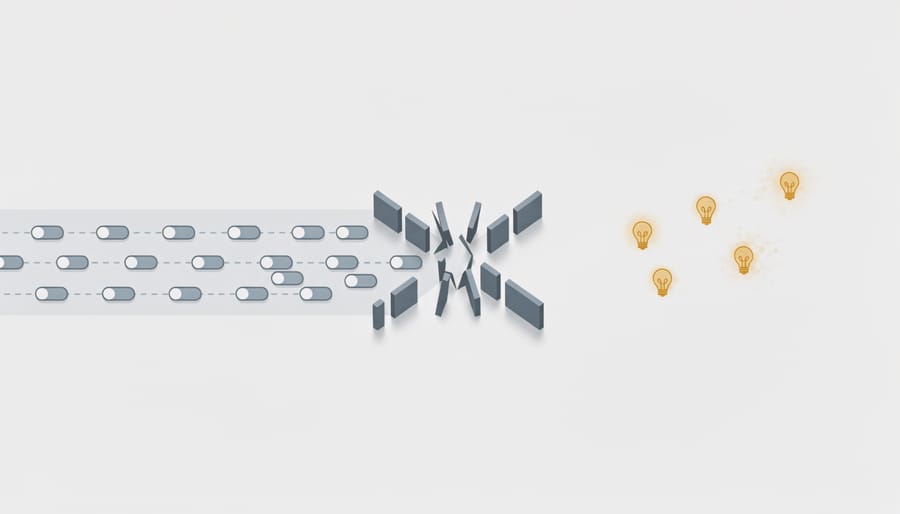
Most ping-post latency stems from three mechanical choke points. First, server geography—when your validation endpoint sits in a single US-East data center but receives traffic from coast to coast, you’ve added 60–90ms before processing even begins. Second, synchronous validation logic that blocks the response thread while running credit checks, duplicate detection, or compliance filters; each serial call compounds delay. Third, real-time data enrichment dependencies that query third-party APIs for phone validation, address standardization, or append services—a single slow vendor can push total response time past 500ms. Aggregators firing pings to twenty buyers simultaneously will route volume toward the fastest responders, meaning infrastructure lag directly erodes fill rate. For buyers: every 100ms of added latency measurably reduces win probability. For sellers: identifying which buyers consistently timeout reveals who’s operating on outdated architecture or over-engineered validation chains. The fastest operations pre-load reference data, run validation steps in parallel, and deploy regionally distributed endpoints.
The Real Cost of a 200ms Delay
A 200ms lag translates directly to measurable revenue loss. Industry data shows response delays beyond 100ms reduce lead acceptance rates by 15-30%, as faster competitors claim the exclusive sale first in ping-post auctions. For buyers paying $50-150 CPL, every percentage point of lag-induced rejection inflates effective acquisition cost proportionally—a 20% loss rate turns a $100 lead into $125 after waste. Aggregators running sub-50ms infrastructure consistently capture 2-3x more accepted pings than those at 200ms, creating compounding arbitrage: speed advantage yields more data, better routing models, and wider bid spreads. The math favors infrastructure investment when monthly lead volume exceeds low four figures.
Countermeasures: Reducing Your Exposure to Arbitrage
For Buyers: Speed Up or Lock In
Buyers can defend margins through technical and contractual layers. On the technical front, deploy edge servers geographically closer to aggregators to shave milliseconds off round-trip time. Pre-validate leads asynchronously before submitting them into ping-post queues, reducing decision latency when speed matters most. Implement parallel processing pipelines that evaluate multiple leads simultaneously rather than sequentially—a form of infrastructure optimization that compounds small gains across volume.
Contractual protections matter equally. Negotiate guaranteed first-look windows where aggregators must hold competing buyers for a fixed interval (500ms–2 seconds) after your bid. Secure exclusive time slots during high-value hours when your decisioning infrastructure performs best. Some sophisticated buyers audit aggregator latency logs quarterly, identifying patterns where artificial delays benefit competitors. Document SLA requirements for ping response times and build financial penalties into contracts when aggregators route premium inventory to faster rivals despite equivalent bid pricing.

For Aggregators: Transparency vs. Margin Maximization
Aggregators face a structural dilemma: latency arbitrage generates immediate margin—sometimes 20-40% uplift on winning leads—but erodes buyer trust when discovered. The calculus hinges on contract duration and detection risk. Short-term buyers on monthly agreements may tolerate mild arbitrage; enterprise partners conducting quarterly audits will not.
Transparency options exist along a spectrum. Full disclosure (publishing exact ping-post mechanics and partner rosters) builds credibility but invites buyers to disintermediate. Selective transparency—sharing latency ranges or guaranteeing max-ping counts without naming endpoints—preserves competitive moat while demonstrating good faith.
The compliance argument favors disclosure: FTC scrutiny of lead quality is intensifying, and arbitrage that degrades match rates creates paper trails. Aggregators betting on opacity should model churn costs realistically—replacing a enterprise buyer often requires 6-12 months of margin to break even.
Sustainable operators treat latency management as quality control, not profit center. They cap ping depth, randomize buyer order periodically, and publish service-level commitments. This positions speed optimization as infrastructure investment rather than exploitation, aligning incentives across the transaction chain.
Latency arbitrage isn’t a loophole—it’s structural. In any real-time market where milliseconds determine routing priority, whoever owns the fastest pipes and freshest data extracts value from slower participants. Lead aggregators with co-located servers, direct carrier connections, and pre-negotiated buyer hierarchies will always outpace distributed affiliates pinging through commercial networks. For practitioners: if you’re buying, invest in infrastructure that closes the gap; if you’re selling, understand that posted response times reveal your negotiating floor. The advantage isn’t going away—it follows the iron law of information asymmetry. Build accordingly, price defensively, and monitor latency metrics as closely as conversion rates.

