

Gray-Hat Hacking Reveals How Black Hat Networks Actually Work

Gray-hat hacking occupies the contested boundary between security research and exploitation—techniques that reveal vulnerabilities without malicious intent but often without explicit permission. For SEO practitioners, understanding these forensic methods means learning to audit competitor tactics, identify manipulation patterns targeting your site, and distinguish transparent automation from deceptive schemes designed to game rankings. Examine backlink profiles for unnatural velocity spikes or network patterns that signal private blog networks. Deploy crawlers to map how competitors structure internal linking and content syndication, noting whether they disclose automated placements or obscure them. Monitor SERP fluctuations correlated with known algorithm updates to reverse-engineer which signals Google currently weights most heavily. Document competitor schema markup implementations and JavaScript rendering patterns that might exploit technical loopholes. This reconnaissance builds defensive intelligence: you learn what manipulation looks like in practice, how algorithms respond to edge cases, and where your own infrastructure might be vulnerable to similar probing—all without deploying the tactics yourself or crossing into active interference with other sites.
What Black Hat Automation Actually Looks Like
The Fingerprints Left Behind
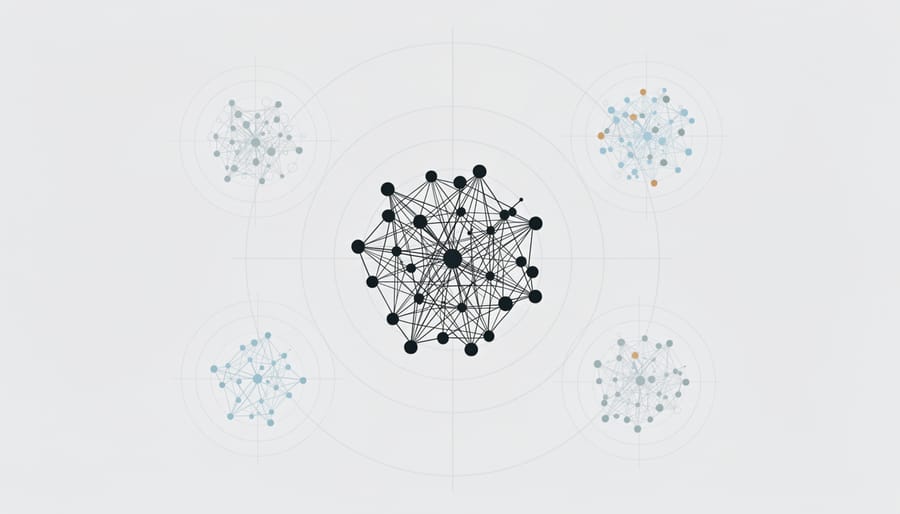
Automated link networks leave distinctive traces that set off alarms for anyone trained in forensic analysis. When scripts build thousands of backlinks, they cluster on the same IP C-blocks—entire batches of domains hosted in identical server ranges that legitimate sites would never share. Posting schedules reveal machine precision: articles appear at exact 24-hour intervals or surge in synchronized bursts across dozens of domains, patterns no human editorial team would replicate.
Anchor text distributions expose automation immediately. Real editors vary their phrasing naturally, but bots hammer the same commercial keywords with statistically impossible consistency—every link using “best CBD oil” or “cheap web hosting” signals scripted deployment. Cross-linking structures form geometric patterns: hub-and-spoke arrangements, perfect reciprocal loops, or hierarchical tiers that look manufactured under graph analysis.
These forensic markers make catching automated manipulation straightforward with the right tools. Search engines map these signatures continuously, flagging networks before manual reviewers investigate. Domain age clustering adds another tell—registration dates bunched within weeks suggest bulk acquisition. Response headers, CMS fingerprints, and even identical WordPress themes across supposedly unrelated sites complete the picture.
For researchers and SEO auditors, these markers distinguish coordinated schemes from legitimate content networks. The difference matters: transparent, editable placements acknowledge their commercial nature, while black-hat operations hide behind fake editorial voices.
Why SEOs Study Black Hat Tactics (Without Using Them)
Defensive Link Auditing
Understanding black hat link schemes equips you to protect your own backlink profile from sabotage and legacy mistakes. Negative SEO attacks—where competitors point spammy or toxic links at your domain to trigger algorithmic penalties—are rare but real. More commonly, you inherit problematic links from previous SEO vendors, scrapers, or directories that later turned manipulative.
Start with periodic backlink audits using tools like Ahrefs, Semrush, or Google Search Console to identify suspicious patterns: sudden spikes from irrelevant niches, anchor text over-optimization, links from known link farms, or domains with no organic traffic. Cross-reference these signals with the same defensive detection methods used to catch automated schemes—check for footprints like templated content, PBN hosting clusters, or excessive outbound links per page.
Once identified, use Google’s Disavow Tool sparingly and document your rationale. Most low-quality links carry negligible weight rather than active penalties, so focus on genuinely toxic patterns: porn, gambling, malware-associated domains, or networks designed solely for link manipulation. This forensic approach turns competitor tactics into protective intelligence.
Competitive Analysis That Matters
Before investing time mimicking a competitor’s strategy, it’s worth determining whether their rankings rest on durable tactics or algorithmic loopholes. Gray-hat forensics offers a middle path: studying link velocity patterns, anchor text distributions, and domain age against sudden traffic spikes to spot manipulation without replicating it.
Tools like Ahrefs and Semrush reveal acquisition timelines—hundreds of backlinks appearing in days often signal PBNs or link schemes destined for devaluation. Cross-reference these with Wayback Machine snapshots to check if content quality evolved alongside authority or if thin pages suddenly rank for competitive terms.
The practical outcome: if forensics show artificial inflation, you can safely ignore their approach and focus resources elsewhere. If patterns suggest genuine authority-building, their playbook warrants study. This triage saves weeks chasing tactics already flagged by search quality teams, letting you invest effort where it compounds rather than evaporates overnight.
The Tools and Methods for Link Graph Forensics

What to Look For in the Data
When examining backlink profiles for automation signatures, focus on temporal and structural anomalies that diverge from organic growth patterns. Link velocity deserves scrutiny first: natural link acquisition follows irregular rhythms tied to content publication cycles, seasonal interest, and editorial discovery. Sudden spikes—twenty links in forty-eight hours after months of quiet—flag scripted deployment, especially when sources cluster in the same IP ranges or hosting providers.
Anchor text distribution reveals manipulation when ratios skew heavily toward exact-match commercial keywords. Organic profiles typically show 60-80% branded or naked URL anchors, with topical variation reflecting how real humans describe content. Profiles dominated by “best crypto wallet” or “cheap insurance quotes” indicate programmatic insertion.
Examine topical coherence across linking domains. Gray-hat networks often repurpose expired domains or build thin sites across unrelated niches—travel blogs linking to SaaS tools, recipe sites pointing to legal services. This mismatch between source context and target topic rarely occurs naturally.
Domain clustering patterns emerge through IP address analysis, registrar concentration, and shared CMS fingerprints. When fifteen supposedly independent sites share hosting infrastructure, identical WordPress themes, and similar WHOIS privacy services, you’ve likely found a private blog network. Cross-reference these signals with techniques for identifying bot patterns to distinguish automated manipulation from legitimate content syndication or partnership networks.
Where the Gray Hat Line Gets Blurry
The ethical boundary becomes genuinely difficult to map when you’re analyzing systems that operate in a gray zone themselves. Consider a paid link network that publishes legitimate, editorial content with clear sponsorship disclosure—it satisfies transparency requirements and provides reader value, yet it exists primarily to pass authority. Is studying its architecture unethical? What about building a similar system with full disclosure?
The tension sharpens around three specific practices. First, transparent paid placements that clearly mark commercial relationships but optimize anchor text and placement for maximum SEO benefit—they’re honest about being paid but engineered for algorithmic impact. Second, private blog networks that feature genuine human-written content, real audiences, and disclosed ownership, yet exist primarily to support a parent brand’s rankings. Third, API-driven link management platforms that automate outreach and tracking but maintain human oversight and editorial standards at every touchpoint.
The core question: does understanding the mechanics require replication? Security researchers study malware without deploying it; SEO analysts can map manipulative link structures without building them. The line blurs when observation becomes optimization, when documenting a tactic becomes testing its effectiveness on your own properties.
For practitioners navigating this space, the clearest ethical marker remains intent and disclosure. Systems designed to deceive algorithms while hiding commercial relationships cross into manipulation territory. Platforms that automate relationship-building but maintain transparency, editorial standards, and user value occupy legitimately gray space—worth studying, debating, and understanding without reflexive condemnation or uncritical adoption.

What This Means for Modern Link Building
Understanding how link schemes fall apart under scrutiny teaches you what makes a sustainable network. When you analyze footprints—identical anchor text patterns, clustered IP ranges, templated placements—you’re learning the exact vulnerabilities that algorithmic and manual review teams target. Apply that knowledge in reverse: build links that survive forensic analysis because they come from editorially independent sites, serve real users, and vary naturally in context and timing.
Transparency becomes your strongest defense. Links placed through platforms that allow publishers full editorial control, disclose relationships clearly, and prioritize relevance over volume create a paper trail that withstands investigation. Each placement should answer a simple question: would this link exist if no money changed hands? If the content genuinely serves the host site’s audience, algorithmic flags lose their teeth.
The forensic mindset shifts strategy from scale to durability. Instead of chasing hundreds of low-context placements, focus on fewer, higher-signal opportunities where your presence adds legitimate value. Document editorial processes, maintain diverse anchor text distributions, and ensure technical footprints—hosting, CMS choices, link markup—reflect genuine independence. When your network looks unremarkable under forensic review, you’ve built something that compounds rather than burns out.
Why it’s interesting: Forensic knowledge converts defensive analysis into proactive strategy design.
For: SEO strategists, link builders, and anyone managing outreach campaigns who want networks that age well.
Gray-hat forensics isn’t about tiptoeing through ethical fog—it’s about mapping the landscape so you can build on solid ground. For SEOs chasing rankings that survive algorithm shifts and manual reviews, studying what breaks teaches you what endures. Dissecting manipulative link schemes, content farms, and cloaking tactics reveals their structural weaknesses: they’re brittle, labor-intensive, and increasingly detectable. The informed practitioner doesn’t replicate these methods; they learn to recognize red flags, audit their own practices, and invest in strategies that compound rather than collapse. Understanding the mechanics of manipulation makes you a better defender of your site’s integrity and a smarter architect of sustainable growth. The goal is clarity, not shortcuts—knowing where the lines are drawn so you can operate confidently within them.

