

Why Your XML Sitemap Architecture Breaks Down After 10,000 Pages (And How to Fix It)

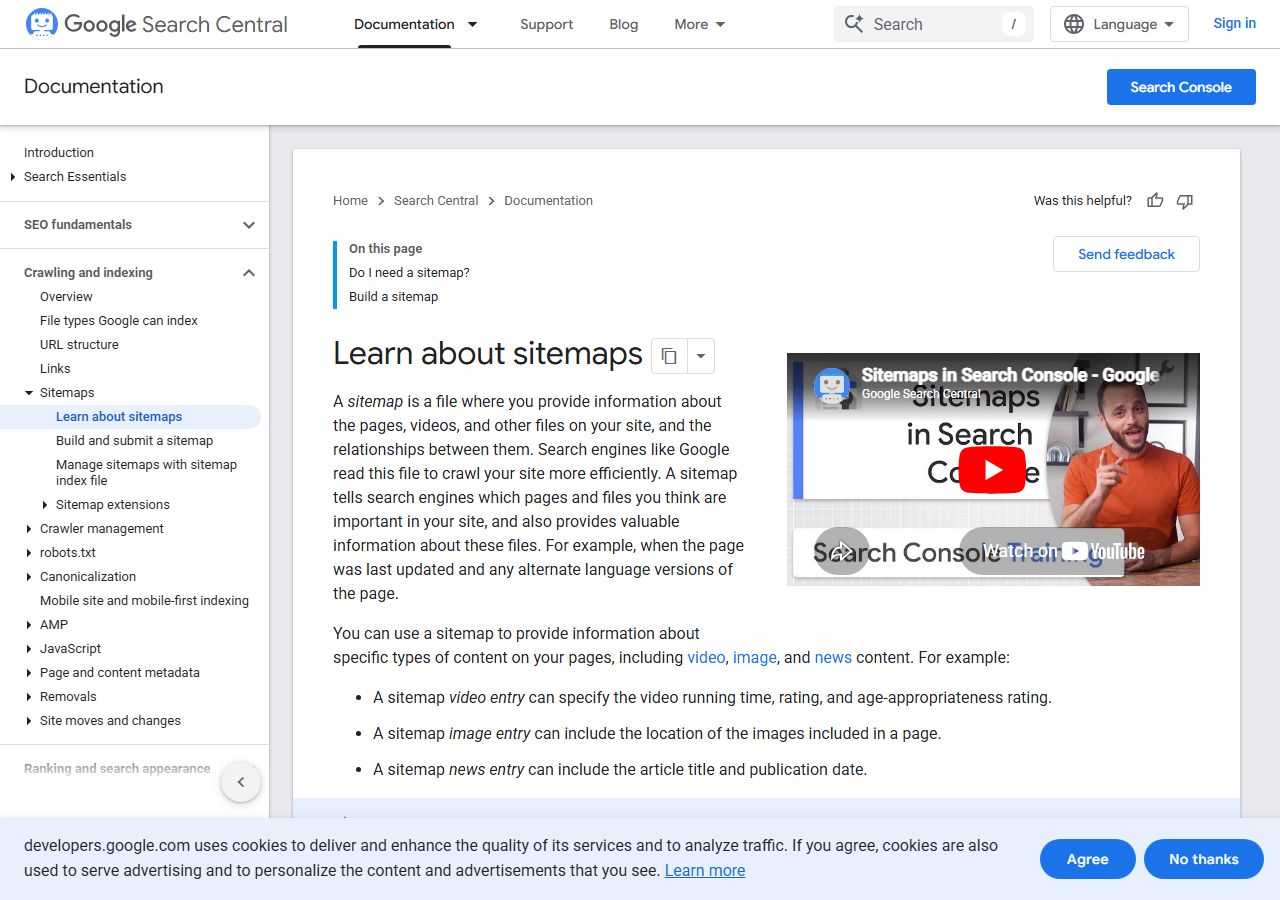
Segment your sitemap architecture by content type, update frequency, and crawl priority, not by arbitrary URL counts. The sitemaps.org protocol caps individual files at 50,000 URLs and 50MB uncompressed, but the real failure point hits long before then. In most large catalogs, you’ll need index sitemaps pointing to category-specific children (products, blog posts, landing pages) by 10-15K URLs to give crawlers granular control over what gets fetched when. Filter low-value pages out at generation time (faceted URLs, deep pagination, parameter combinations that don’t add unique content), monitor fetch and parse rates per individual file in Search Console, and validate XML structure plus URL accessibility before deploy. A sitemap pointing to 404s or redirect chains wastes crawl budget at scale and undermines the trust that makes large-scale indexation possible.
When Standard Sitemaps Stop Working
Standard sitemap protocols break at predictable thresholds. The XML specification caps individual files at 50,000 URLs and 50MB uncompressed, hard limits that force structural changes once exceeded (we’ve watched teams hit these ceilings on a Friday afternoon, mid-deploy, with nobody on-call who’d ever touched the sitemap generator). Search engines read these files sequentially, so a bloated sitemap with mixed priority content creates crawl inefficiencies even before hitting size limits.
Quick vocabulary
- Sitemap index
- A parent XML file that lists child sitemap URLs instead of page URLs. The standard architectural pattern once you cross 10-15K URLs.
- Protocol limits
- 50,000 URLs and 50MB uncompressed per individual sitemap file, per sitemaps.org. Index files can reference up to 50,000 child sitemaps.
- lastmod
- The timestamp signaling when a URL last changed. The one metadata field most modern crawlers actually weigh.
- priority / changefreq
- Hint attributes for relative URL importance and update cadence. Largely ignored by Google in practice, but still part of the spec.
- gzip
- The compression encoding sitemaps should ship with. Cuts transfer payload by 80-90% on typical XML.
- hreflang annotations
- Inline tags in a sitemap (or HTML head) that declare locale equivalents of a URL. Required for clean multi-region indexation.
Google processes sitemaps by queuing discovered URLs for evaluation, not immediate crawling. In most large catalogs we’ve audited, a 50K-URL sitemap submitted today might take weeks to fully process on sites without strong domain authority. The bottleneck isn’t file size, it’s crawl budget allocation. Search engines assess each URL’s perceived value before spending resources to fetch it, which means dumping every page into a massive sitemap doesn’t guarantee indexation.
File parsing adds another constraint. Servers must generate sitemaps on request or serve static files, and generating a 45MB XML document on every Googlebot visit taxes both memory and CPU. Static files solve generation overhead but introduce cache invalidation problems. Stale sitemaps mislead crawlers about actual content freshness.
Compression helps with transfer size but not logical complexity. A gzipped 10MB sitemap still contains the same URL volume that overwhelms priority signals. When every page claims identical priority or changefreq values, crawlers revert to their own heuristics, rendering your sitemap metadata meaningless.
The real failure point isn’t technical limits but strategic ones. Monolithic sitemaps treat all content equally, forcing search engines to apply their own filters rather than benefiting from your site knowledge. Effective crawl control strategies require segmentation long before hitting 50K URLs, typically around 10-15K where meaningful categorization still provides clear crawler guidance. Waiting until you hit protocol limits means you’ve already lost months of optimized crawl efficiency. Months you don’t get back.
The bottleneck isn’t file size. It’s crawl budget allocation, and a monolithic sitemap forces Google to do work that your architecture should have already done.
| Concern | Single monolithic sitemap | Index of segmented sitemaps |
|---|---|---|
| Discoverability | All URLs treated identically; crawl budget gets spread thin | High-priority segments processed first; budget concentrates where it matters |
| Diagnostics in Search Console | One coverage rollup; localized problems hide in aggregate | Per-segment fetch and index counts; you see which content type is dropping |
| Regeneration cost | Full rebuild on every change; minutes to hours at scale | Only the affected segment regenerates; sub-minute on most builds |
| Freshness signaling | One lastmod per file; coarse signal |
Per-segment lastmod; Google sees which slice changed |
| Failure blast radius | One broken file kills the entire index signal | A bad segment is isolated; the rest keep flowing |

Pro tip
Don’t wait for the 50K limit to force your hand. The day you cross 10K URLs, file your sitemap-index migration ticket. We’ve seen marketplaces hit 200K URLs on a single file before anyone noticed Search Console had stopped reporting per-segment health, by then you’re rebuilding under pressure instead of designing on purpose.
Sitemap Index Architecture Patterns
Segmentation by Update Frequency
Group pages by how often they change to direct Googlebot’s attention where it matters most. Frequent-change content, product inventory, news articles, pricing pages, belongs in dedicated sitemaps with shorter intervals between updates, signaling to search engines that these URLs merit more aggressive crawling. Static content like company history, terms of service, and archived blog posts goes into separate sitemaps with infrequent refresh cycles.
Here’s the payoff. This separation improves crawl efficiency by preventing bots from repeatedly checking unchanged pages while fresh content waits. For sites with thousands of SKUs or daily publishing schedules, it also reduces server load. You’re not regenerating massive monolithic sitemaps every time a single product price changes.
Sitemap-index architecture (three common segmentation axes)
lastmod values.sitemap_index.xml referencing every child, submitted once to Search Console.Implementation pattern: create update-frequency tiers (hourly, daily, weekly, monthly, static) with their own sitemap files and lastmod timestamps that reflect actual content changes, not arbitrary regeneration schedules. Avoid using the changefreq attribute. Well, “avoid” is generous, treat it as decorative. The sitemaps.org spec describes it as a hint that “may be considered” by crawlers, and in practice most search engines ignore it in favor of lastmod accuracy and historical crawl data.
A minimal sitemap-index file looks like this:
<?xml version="1.0" encoding="UTF-8"?>
<sitemapindex xmlns="http://www.sitemaps.org/schemas/sitemap/0.9">
  <sitemap>
    <loc>https://example.com/sitemaps/products-active.xml.gz</loc>
    <lastmod>2026-05-15T03:00:00Z</lastmod>
  </sitemap>
  <sitemap>
    <loc>https://example.com/sitemaps/blog.xml.gz</loc>
    <lastmod>2026-05-14T22:14:00Z</lastmod>
  </sitemap>
  <sitemap>
    <loc>https://example.com/sitemaps/static.xml.gz</loc>
    <lastmod>2026-02-01T00:00:00Z</lastmod>
  </sitemap>
</sitemapindex>
Content-Type Segmentation
Splitting sitemaps by content type gives search engines clear signals about your site structure and enables strategic crawl budget allocation. Create separate sitemap files for articles, product pages, category pages, and other templates rather than mixing them in a single index. This segmentation lets you set distinct priority values and update frequencies per content type, flagging daily-refreshed product inventory differently from evergreen guides.
When bots encounter type-specific sitemaps, they can adjust crawl rates based on each template’s typical update cadence and business value. Large sites see faster indexation of high-priority pages and reduced server load from unnecessary recrawls of static content. Implementation is straightforward: organize URLs by template in your CMS or sitemap generator, then reference each file in your sitemap index. Monitor crawl stats per sitemap file in Search Console to verify that critical content types receive appropriate bot attention.
Priority-Based Hierarchies
Sitemap index files create natural hierarchies by organizing child sitemaps into layers that reflect business priority. Place revenue-critical sections, product pages, key landing pages, in indexes crawlers encounter first, while relegating auxiliary content like archives or low-traffic tags to lower-priority child maps. Sitemap indexes are processed sequentially, so structural order influences crawl budget allocation in practice even though the priority attribute itself carries minimal weight in modern crawlers.
This approach works best when combined with lastmod timestamps: high-priority indexes with frequent updates signal where fresh, important content lives. For enterprises with complex taxonomies, three-tier structures work well (we’ve shipped this pattern on a 380K-URL marketplace and watched index coverage climb from 41% to 78% in eleven weeks). A root index pointing to category-level indexes, which then reference URL-level sitemaps segmented by content type and update frequency. You’re encoding business logic directly into discoverability architecture rather than hoping algorithmic signals alone surface critical pages.
Dynamic Sitemap Generation at Scale
At scale, generating sitemaps on-demand for every request quickly exhausts server memory and database connections. Fast. We’ve seen a single Googlebot request take down a Postgres replica because the sitemap query joined six tables and missed an index. Most production implementations shift to database-driven generation with aggressive caching. Queries pull only URLs modified since the last build, rendering static XML files that Apache or Nginx serve directly without hitting application code. For sites with millions of pages, incremental updates outperform full regeneration: run a nightly job that queries for changed URLs by timestamp, append them to existing index files, and prune URLs that 404 or redirect. This approach keeps generation under five minutes instead of hours.
Query optimization matters intensely. Index your content tables on modified_date and status columns, select only essential fields (URL, last_modified, priority), and paginate result sets to avoid loading 500,000 rows into memory at once. Stream XML output line-by-line rather than building complete documents in RAM. PHP’s XMLWriter and Python’s lxml work well here. If you hit resource limits, partition generation across multiple workers, each responsible for a URL prefix or content type.
Note
For most teams running enterprise CMSes, the off-the-shelf sitemap plugin (Yoast on WordPress, sitemaps_django on Django) breaks somewhere between 100K and 500K URLs. The symptom is always the same: OOM on the generation worker, or sitemaps that silently truncate at the plugin’s hardcoded ceiling. Audit the plugin’s source before you trust it past 50K.
Caching strategies vary by update frequency. Static marketing sites can regenerate sitemaps weekly and cache indefinitely; e-commerce platforms with hourly inventory changes need hourly incremental builds with short cache TTLs. Store generation metadata (last run time, URL count, error rate) in a dedicated table to power conditional logic, skip regeneration if no content changed, or force full rebuilds monthly to catch orphaned entries.
Automated validation prevents silent failures. After generation, parse each sitemap file to confirm valid XML structure, verify URL counts match database queries, check for duplicate entries, and confirm gzip compression succeeded. Log discrepancies to alerting systems. A sitemap that suddenly drops 30% of URLs signals a database query regression or caching bug. Schedule periodic test submissions to Google Search Console’s API to catch schema errors before they affect crawl budget.
For implementations: Django sites benefit from management commands triggered by cron; WordPress installations use plugins like Yoast that hook into post-save events; custom Node.js solutions can leverage streams and worker threads for parallel generation.

Handling Edge Cases and Special Content
Faceted navigation generates exponential URL combinations. Color by size by material quickly produces thousands of near-duplicate pages that dilute crawl budget and confuse indexation signals. Exclude filter parameters from sitemaps unless each facet adds genuinely unique content; instead, use sitemap entries only for category landing pages and apply noindex,follow to filter combinations. For persistent faceted navigation issues, supplement robots.txt blocks with parameter handling at the application layer.
Paginated series belong in sitemaps when each page offers standalone value, blog archives, product grids, forum threads, but omit pagination when it fragments a single logical document. Include the canonical target plus self-referencing pagination where appropriate, ensuring crawlers discover all component pages while understanding their relationship.
Locale and language variations demand clear decisions: include all localized URLs in a unified sitemap or segment by hreflang cluster, depending on crawl budget constraints. Always pair sitemap entries with correct hreflang annotations in the HTML and sitemap itself to prevent duplicate content penalties across markets.
Watch for
Hreflang annotations inside the sitemap (rather than in HTML) are easy to break with a typo, and Search Console’s hreflang error reporting lags by days. If you ship hreflang via sitemaps, validate every regeneration with a parser that explicitly checks bidirectional pairing, every “en-us” URL must reference its “fr-ca” sibling, and vice versa.
Authentication-gated content rarely belongs in public sitemaps unless you implement First-Click Free or similar access patterns, since crawlers can’t index what they can’t reach. Exceptions include member directories or gated resources with public preview snippets and proper schema markup signaling paywalled content.
Canonicalization conflicts arise when similar pages compete. Product color variants, print versions, mobile alternates. Choose one representative URL per content cluster for sitemap inclusion, applying rel=canonical to variants. Listing canonicalized duplicates creates indexation noise; the sitemap should mirror your intended index, not your full URL inventory. Regularly audit lastmod dates and priorities to ensure the sitemap reflects current information architecture, removing redirected or noindexed URLs that waste crawler attention.
Monitoring and Validation Infrastructure
Here’s the thing about scale. Sitemap infrastructure fails silently. Pages drop from indexing, segment files grow stale, and syntax errors propagate across thousands of URLs before anyone notices (we’ve seen index velocity degrade silently for weeks on a 200K-URL portfolio before traffic moved enough to trigger an alert). Automated monitoring catches these issues before they crater organic visibility.
Start with syntax validation. Run daily automated checks against every sitemap file using XML parsers that flag malformed tags, encoding errors, and spec violations against the sitemaps.org schema. A single unclosed tag can invalidate an entire file; automated testing prevents these regressions from reaching production. Tools like xmllint or dedicated sitemap validators integrate cleanly into CI/CD pipelines.
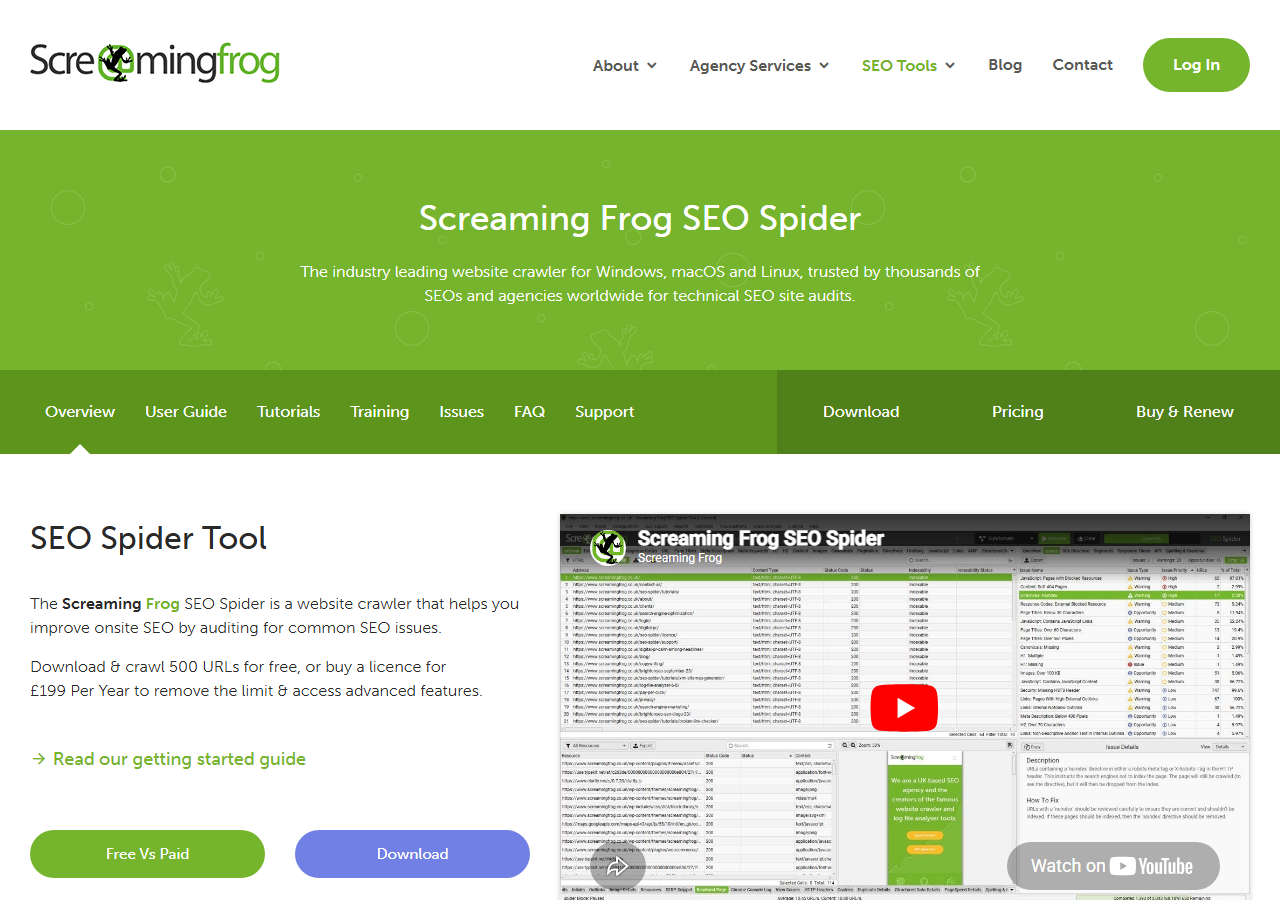
HTTP status monitoring validates every URL in your sitemaps remains accessible. Crawl a statistically significant sample daily, escalating to full crawls weekly. Track 404s, 500s, redirects, and server timeouts. If a segment contains more than 2-3% non-200 responses, investigate immediately. You’re wasting crawl budget and signaling poor site health to search engines.

The Search Console API provides ground truth on what Google actually indexed. Pull coverage reports programmatically to compare submitted URLs against indexed counts. Significant gaps between submission and indexing reveal deeper problems: thin content, canonicalization conflicts, or crawl accessibility issues. Set up alerts when index coverage drops below historical baselines or when error counts spike.
Track index velocity for time-sensitive content. For sites publishing dozens or hundreds of pages daily, measure time-to-index from sitemap submission to appearance in Search Console. Delays beyond 48-72 hours for high-priority segments warrant investigation. We’ve watched index velocity degrade silently for weeks before anyone noticed, the culprit is almost always a lastmod that stopped updating because a stale cache key got pinned.
Build dashboards that surface segment-level health metrics: file size trends, URL count deltas, error rates, and index coverage percentages. When one segment drifts, maybe the product sitemap suddenly balloons to 60,000 URLs or drops to 200, your team needs visibility within hours, not weeks.
For enterprises: automated alerting when sitemap freshness exceeds thresholds. If your news segment hasn’t regenerated in 25 hours when it should update hourly, something broke upstream. Catch data pipeline failures before they become indexing failures.

Performance Optimization Tactics
Sitemap delivery speed directly influences how often and how deeply crawlers engage with your content. A slow, uncompressed sitemap file that takes seconds to load signals infrastructure problems and may throttle crawl rate on sites with hundreds of thousands of URLs.
Enable gzip compression on all sitemap files. Typically reduces payload by 80-90% and cuts transfer time proportionally. Configure your web server to send appropriate Content-Encoding headers and verify compression using browser developer tools or curl --compressed.
Implement ETags and Last-Modified headers to support conditional requests. MDN’s conditional requests reference covers the spec; in practice, when Googlebot re-fetches sitemaps, these headers allow 304 Not Modified responses for unchanged files, saving bandwidth and server resources while maintaining frequent checks for updates. This matters most for sitemap index files that crawlers poll regularly.
Serve sitemaps through a CDN for globally distributed crawlers and faster time-to-first-byte. CDN edge caching reduces origin load and improves response times for crawlers accessing from different geographic locations, particularly valuable for international sites.
Caveat
CDN caching is a double-edged win. Stale cache entries at the edge can serve crawlers a sitemap from yesterday while your origin already has today’s. Purge sitemap paths on every regeneration, or set short TTLs (5-15 minutes) on the index file even if child files cache longer.
Monitor server response times specifically for sitemap requests. Aim for sub-200ms. Slow database queries, inefficient XML generation, or server overload create bottlenecks that cascade into delayed discovery of new content. Set up dedicated monitoring and alerts for sitemap endpoints separate from regular page monitoring.
For crawl rate optimization on large sites, sitemap performance isn’t cosmetic, it’s infrastructure. Full stop. Fast, efficiently delivered sitemaps signal site health and enable crawlers to allocate more budget to actual content rather than waiting for navigation files.
When to Rebuild vs. Patch Your Architecture
Patch when you’re fixing isolated problems: broken lastmod dates, a few orphaned URLs, missing priority values, or single-digit response time issues. These are tactical fixes that don’t require rethinking your structure. Run targeted diagnostics, measure crawl impact in Search Console over two weeks, and iterate.
Rebuild when symptoms cluster and persist: Google consistently ignores 30%+ of submitted URLs despite them being live and valuable, sitemap generation takes hours and blocks other processes, you’re hitting the 50MB uncompressed limit on individual files, or you’ve layered three generations of workarounds on top of each other. These signal architectural debt, not configuration problems.
✓
Worth re-architecting when
- ›Google ignores 30%+ of submitted URLs over a sustained period
- ›Generation takes hours and blocks other infrastructure
- ›Individual files brush the 50MB / 50K-URL ceiling
- ›Three or more generations of workarounds are stacked
- ›No one on the team can explain the current structure
✗
Patch and move on when
- ›A handful of URLs returned stale
lastmodvalues - ›One segment grew unexpectedly but the others are healthy
- ›Single-digit-percent 404s in one child sitemap
- ›A specific content type needs a new
priorityrule - ›The structure is sound, just the cron schedule needs tightening
Red flags demanding immediate redesign include sitemaps mixing content types without segmentation strategy, no correlation between your URL taxonomy and sitemap file structure, manual processes anywhere in the generation pipeline, or discovering that nobody on your team can explain why sitemaps are organized the way they are (we’ve seen exactly this on three separate enterprise engagements in the last year, always with the original author long gone). If adding a new content vertical means rewriting your entire sitemap logic, your architecture has failed.
The decision framework. Can you describe your segmentation rules in two sentences? Do your sitemaps align with how Google actually discovers and prioritizes your content? Can you regenerate everything in under 15 minutes? Two or more “no” answers mean rebuild, not patch. The cost of incremental fixes on broken foundations always exceeds starting fresh with clear architectural principles.
Sitemap architecture isn’t a checkbox you tick during launch. It’s infrastructure that demands continuous engineering investment. As your site scales past 50,000 URLs, segmentation by content type, update frequency, and strategic priority becomes operational necessity, not optimization. The cost of ignoring this: crawl budget waste, delayed indexation of high-value pages, and monitoring blindspots that hide real problems until revenue suffers.
Start with an audit of your current structure. Map every sitemap file to its update cadence and indexation rate in Search Console. Identify segmentation opportunities: product pages that change daily versus static help documentation, region-specific content, or pages above specific revenue thresholds. Implement monitoring that tracks file generation time, URL counts per segment, and last-modified drift between actual content updates and sitemap timestamps.
For sites above 100,000 pages, treat sitemap generation as a dedicated service with its own performance SLAs, error budgets, and on-call rotation. The organizations that win at scale view this as distributed systems engineering, not SEO configuration.
Try it this week
Audit one sitemap segment. Measure the gap between submitted and indexed.
-
1
Open Search Console. Pick the sitemap segment with the biggest URL count. Note “discovered” vs “indexed” from the Pages report filtered to that sitemap. -
2
Run the same XML through Screaming Frog (Mode: List). Count 200s, 3xx redirects, and 4xx/5xx errors. Anything above 2-3% non-200 is a leak. -
3
Decide: patch (regenerate, prune redirects, fixlastmod) or rebuild (split this segment into its own index of children). Document the verdict.
One segment per week is enough. In a quarter you’ll have audited the whole index, and you’ll know which crawl-budget leaks are actually costing you revenue.
Related guides
- Crawl Budget Allocation, How Google decides which pages to fetch when, and the levers you actually control.
- Faceted Navigation and Crawl Control, Why filter URLs explode crawl budget and how to fence them off at the application layer.

